
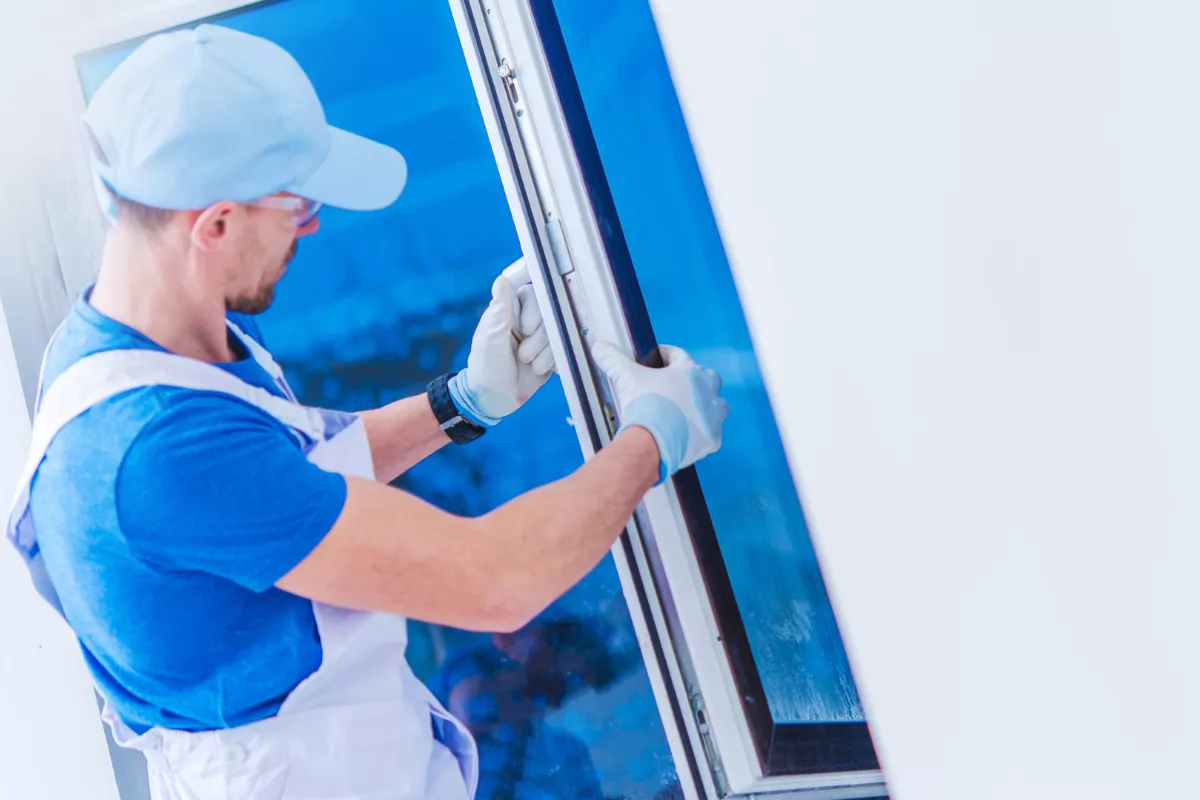
Windows are more than just architectural features, they are vital components of your home’s comfort, energy efficiency, and aesthetic appeal. Knowing when to replace a window can be the difference between rising utility bills and restful energy savings, or between a home that feels drafty and one that feels secure and serene. This comprehensive guide will walk you through everything you need to know about window replacement: from recognizing the signs of deterioration to evaluating the best time and type of window upgrades.
Why Window Replacement Matters
Modern windows do more than allow light in, they insulate, reduce noise, enhance safety, and elevate curb appeal. Windows that are past their prime not only hurt your home’s performance but may also compromise its safety and value. According to Remodeling Magazine’s Cost vs. Value Report, window replacement can yield a return on investment (ROI) of over 70%. So whether you’re planning to stay in your home or preparing it for sale, understanding when to replace your windows is crucial.
Your Windows Are Visibly Damaged
Cracked glass, warped frames, water stains, or broken sashes, these are clear visual indicators that a window is beyond repair. Damaged windows don’t just affect your home’s look; they can lead to water infiltration, mold growth, pest infestations, and even compromise home security. Moreover, visible flaws often signal deeper structural issues, such as rot in the frame or a compromised seal, which accelerates energy loss.
If your windows show any visible signs of damage, don’t wait. Proactively replacing them can save you from extensive future repairs.
Drafts or Air Leaks Around the Window Frame
One of the most common signs of window failure is a noticeable draft, especially during colder or windier seasons. A draft means that your windows are no longer forming an airtight seal, allowing outside air to creep in and conditioned air to escape. This leads to increased HVAC workload, driving up utility bills and reducing indoor comfort.
To check for drafts, place your hand near the edges of a closed window. If you feel air movement, it’s time to consider a replacement. Energy-efficient windows with double or triple glazing and low-emissivity (Low-E) coatings drastically reduce these issues.
Rising Energy Bills Without a Clear Cause
When you notice a gradual or sudden increase in your heating and cooling costs, and no major appliance or system is to blame, the culprit might be your windows. Older windows, especially those with single-pane glass, offer minimal insulation. Over time, window seals degrade, allowing heat to escape in the winter and infiltrate in the summer.
Switching to energy-efficient windows can lower your energy bills by up to 12% annually, according to Energy Star. These savings add up over time, especially in regions with extreme seasonal temperatures.
Condensation Between Panes or On the Inside
While exterior condensation is usually harmless and a sign of high outdoor humidity, interior or between-pane condensation indicates seal failure. Once the seal on a double- or triple-pane window breaks, moisture gets trapped between the panes, eliminating the insulating effect of the inert gas (often argon or krypton).
Not only does this foggy appearance obstruct views, but it also signals that the window is no longer thermally efficient. The solution? Replace the entire window unit to restore your home’s insulation and clarity.
Difficulty Opening, Closing, or Locking Windows
Windows that stick, jam, or refuse to close properly are not just annoying, they’re a hazard. Over time, window frames can swell due to moisture, or the tracks can warp and accumulate debris. In some cases, older mechanisms simply wear out.
A stuck window is more than an inconvenience. It can be a safety risk during emergencies and a security vulnerability. Newer window models come with advanced mechanisms designed for ease of use, even after years of operation.
Poor Sound Insulation
If your home feels like it’s constantly echoing the outside world, your windows might lack adequate soundproofing. Older single-pane windows provide little to no acoustic insulation, allowing traffic, neighborhood chatter, and other noise pollution to seep in.
Upgrading to double- or triple-pane windows with high Sound Transmission Class (STC) ratings can significantly dampen outside noise, making your living space quieter and more peaceful.
Fading Furniture or Flooring
UV rays penetrate untreated glass and gradually fade fabrics, carpets, hardwood floors, and artwork. If you notice significant discoloration in sun-exposed areas, it’s likely that your windows are missing Low-E coatings, a key feature of modern windows.
New energy-efficient windows can block up to 99% of harmful UV rays, helping preserve your interior investments while maintaining natural daylight.
Allergies Worsen Indoors
Do your seasonal allergies seem worse inside than outside? Poorly sealed windows may allow pollen, dust, and other allergens to infiltrate your home. As seals weaken over time, indoor air quality suffers.
Replacing your windows can improve the indoor environment by creating a more airtight, allergen-resistant envelope, especially when paired with good HVAC filtration.
You’re Planning a Renovation
Major home renovations, whether for aesthetic updates or structural enhancements, are the ideal time to replace windows. Not only can new windows boost visual appeal, but they also align with modern efficiency standards and design preferences.
You can choose window styles that complement your architectural style, increase natural light, or offer more functionality. Common options include double-hung, sliding, casement, bay, and hopper windows, each with unique advantages.
You’re Selling Your Home
If your home is hitting the market, new windows can drastically enhance buyer appeal. Homebuyers appreciate turn-key solutions and are more likely to purchase a property that feels well-maintained.
Window replacement improves curb appeal, energy efficiency disclosures, and overall value. A window upgrade can become a compelling selling point that may even raise your home’s asking price.
Types of Replacement Windows to Consider
Choosing the right window depends on your needs, aesthetic goals, and budget. Here are a few popular options:
-
Double-Hung Windows
Offer versatile ventilation and tilt-in sashes for easy cleaning.
-
Sliding Windows
Perfect for wider spaces and provide expansive views with smooth gliding operation.
-
Casement Windows
Hinged at the side and crank open; excellent for maximizing airflow.
-
Hopper Windows
Hinged at the bottom and open inward; ideal for basements or bathrooms.
-
Bay & Bow Windows
Project outward to create a feeling of space and depth; add elegance and natural light.
Make sure your window replacement partner offers Energy Star-certified products, extended warranties, and professional installation to ensure maximum performance.
When Is the Best Time to Replace Your Windows?
While windows can technically be replaced year-round, spring and fall are the most popular seasons. The milder weather ensures easier installations and better caulking adherence. However, don’t wait for perfect weather, the right time is when your windows show clear signs of failure.
Also consider scheduling your project during your region’s off-peak seasons to take advantage of discounts or faster installation timelines.
Final Thoughts: Don’t Wait for Window Failure
Recognizing when to replace a window isn’t always obvious, but if you’re noticing any of the warning signs discussed above, damage, drafts, noise, condensation, or rising bills, it’s time to act. Not only will you improve your comfort and lower your energy costs, but you’ll also increase the value and safety of your home.
Work with a trusted, licensed installer to choose the right window type, material, and energy efficiency rating. With the right approach, your window upgrade will pay dividends for years to come.
Take the next step: Schedule a professional window evaluation today, and see how new windows can transform your home.