
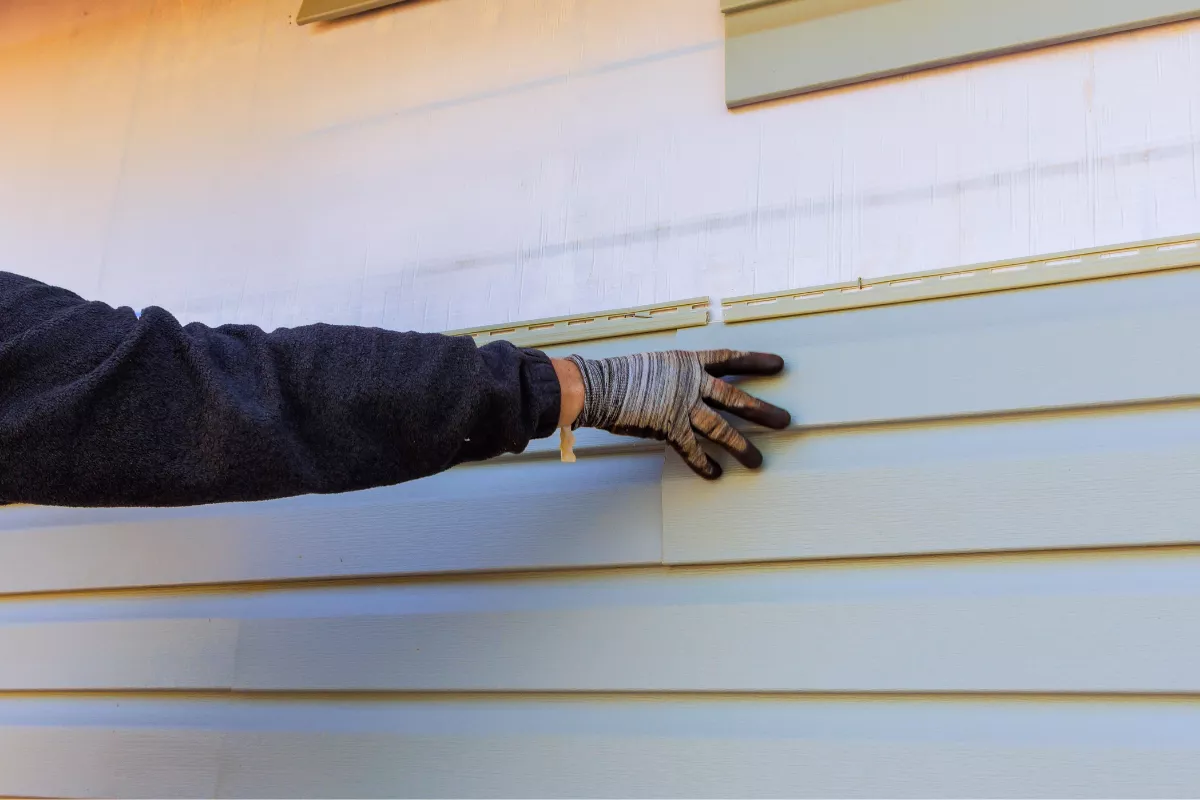
Siding replacement transforms your home’s look, boosts its value, and enhances energy efficiency. But how much does it cost? This concise guide dives into the essentials of siding replacement costs, offering clear insights for homeowners and pros alike. Expect to learn about key cost factors, material options, and money-saving tips, all backed by trusted sources like Angi and James Hardie. Our goal? To help you budget smartly and make informed decisions for a durable, stunning exterior. Let’s get started.
Key Factors Affecting Siding Replacement Costs
Siding replacement costs typically range from $5,560 to $17,646, averaging $11,533, per Angi’s 2025 data. Premium projects can hit $40,000. Several factors drive these costs, and understanding them helps you plan effectively.
Home Size and Shape
Your home’s size directly impacts costs, as siding is priced per square foot. A 2,000-square-foot home might cost $2,000–$27,000 for materials like vinyl or wood, while brick or stone could run $18,000–$100,000, according to Angi. Complex designs, multi-story homes, or features like turrets increase labor and material needs. Measure your home’s exterior or use tools like James Hardie’s Home Visualizer for a quick estimate.
Siding Materials
Material choice significantly affects your budget and home’s longevity. Here’s a breakdown of popular options, their costs per square foot, and lifespans:
-
Vinyl: $3–$12, 20–40 years. Affordable, low-maintenance, but less premium in appearance.
-
Wood: $1–$15, 20–40 years. Classic look, requires regular upkeep to prevent rot.
-
Engineered Wood: $1–$6, 20–40 years. Budget-friendly wood alternative.
-
Aluminum: $3–$6, 20–40 years. Lightweight, rust-resistant, but prone to dents.
-
Fiber Cement: $5–$14, 50 years. Durable, weather-resistant, ideal for harsh climates.
-
Brick: $10–$20, 100+ years. Premium, low-maintenance, timeless appeal.
-
Stone Veneer: $5–$11, 20–75 years. Cost-effective stone look.
Your climate and style preferences guide material choice. For example, fiber cement suits humid areas, while brick fits historic homes, per Forbes Home.
Labor Costs
Labor runs $1–$4 per square foot or $40–$75 per hour, depending on location and project complexity, per Angi. Multi-story or intricate homes require more time, raising costs. Always verify if labor is included in your contractor’s quote. Comparing multiple quotes, as suggested by James Hardie, ensures fair pricing.
{Get your Siding Estimate}
Location
Costs vary by region due to labor rates, material availability, and permits. Angi’s data shows:
-
Boston, MA: $9,800–$24,300
-
Chicago, IL: $6,700–$18,700
-
Los Angeles, CA: $3,200–$10,100
-
Miami, FL: $1,800–$6,300
Urban areas often have higher labor costs, while rural areas may offer savings but fewer contractors. Permits, required for most projects, cost $150–$1,500, per local regulations.
Old Siding Removal
Removing old siding adds costs, especially if it’s damaged or contains lead paint, which requires abatement. If the existing siding is in good shape, layering new siding over it can save money, but this isn’t always advisable due to potential hidden issues like rot.
Time of Year
Scheduling during off-seasons like summer or early winter can lower costs, as contractors may offer discounts. However, weather can delay projects, so check local conditions. Spring or fall is often ideal for temperate regions.
Repair vs. Replacement
Before committing to a full replacement, consider whether repairs might suffice. The decision hinges on several factors, as outlined by Angi:
-
Cost Comparison: If repair costs exceed 50% of replacement costs, replacing the siding is usually more cost-effective.
-
Siding Age: Siding younger than 20 years may be repairable, while older siding often warrants replacement.
-
Damage Extent: Localized damage, like a few cracked panels, can be repaired, but widespread issues like rot or moisture intrusion call for replacement.
-
Moisture Issues: Isolated moisture problems can be fixed, but extensive water damage requires new siding to prevent mold and structural issues.
For example, a homeowner in Chicago discovered cracked vinyl siding on one wall. Repairs cost $1,500, while replacement for their 1,500-square-foot home was quoted at $10,000. They opted for repairs, saving money without compromising the home’s integrity. However, if damage is widespread, replacement ensures long-term durability.
{Get your Siding Estimate}
Does Siding Add Value?
New siding offers up to 80% ROI, boosting curb appeal and energy efficiency. A 2024 Realtor.com study found homes with new fiber cement siding sold 15% faster. It’s a smart investment for marketability and long-term savings.
Saving on Siding Costs
Cut costs without sacrificing quality using these tips:
-
Off-Season Hiring: Book in summer or early winter for potential discounts.
-
Multiple Quotes: Get at least three estimates from trusted contractors.
-
Veneers: Use brick or stone veneer for a premium look at lower costs.
-
Mix Materials: Combine high-end accents with affordable siding like vinyl.
-
Insulation: Add insulated siding to reduce energy bills, per This Old House.
A Seattle homeowner saved 15% by scheduling in winter and mixing fiber cement with stone veneer accents.
DIY vs. Professional Installation
DIY siding replacement is risky unless you’re experienced. Improper installation can void warranties and lead to costly repairs. Professionals ensure quality, navigate building codes, and often secure better material prices. For small repairs, DIY may work, but consult a pro for major projects.
{Get your Siding Estimate}
Choosing the Right Material
Choosing the right siding material means balancing budget, climate, maintenance, and curb appeal. Vinyl and fiber cement are popular for their affordability and resistance to moisture, making them great choices for humid regions. Steel siding stands up well to harsh winters and temperature fluctuations, while brick offers a classic look with minimal upkeep. Wood, although beautiful and natural, demands ongoing care like sealing or repainting to protect against weather damage, as noted by Forbes Home. Consulting a trusted contractor can help you evaluate your options and choose the material that best suits your home’s structure and long-term needs.
Conclusion: Plan Your Siding Project Smartly
Siding replacement is a valuable investment that enhances your home’s appearance, protection, and long-term value. By understanding the cost of siding replacement, influenced by your home’s size, materials, labor, and location, you can budget more effectively and avoid surprises. Choosing high-quality materials and professional installation ensures your siding will stand the test of time.
Ready to get started? Contact Dynamic Home Renovations today for a personalized quote and expert guidance on the true cost of siding replacement, your home deserves nothing less.
{Get a siding quote today}