
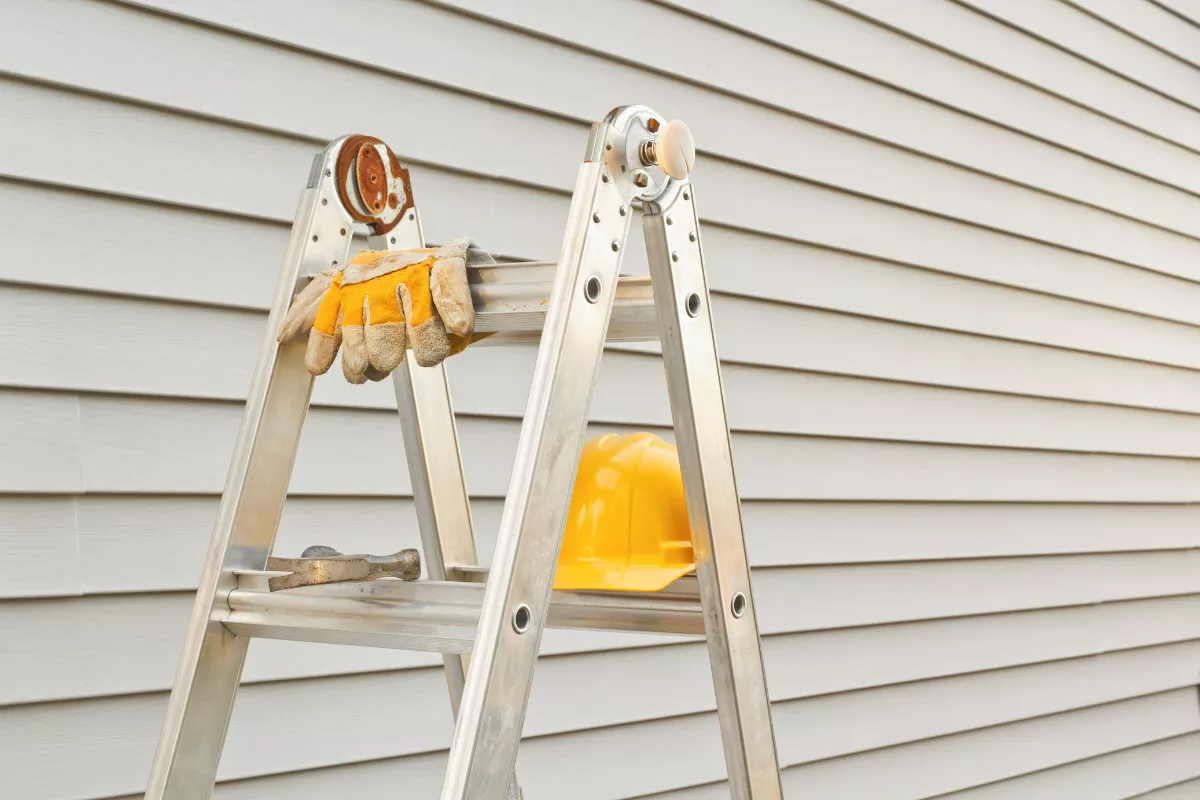
Imagine giving your home a fresh look with new siding, boosting curb appeal and protecting your investment. But before you start, a question looms: Do I need a permit for siding replacement? It’s a common worry for homeowners eager to avoid bureaucratic hurdles. This concise, engaging guide is your go-to resource, answering all your questions about siding permits in a clear, empathetic way. Whether you’re a newbie or a seasoned renovator, we’ll walk you through when permits are needed, how to get them, and why compliance matters, all while keeping your project stress-free. Let’s dive in and make your siding upgrade a breeze.
What Is a Siding Permit, and Why Is It Important?
A siding permit is an official approval from your local building department, allowing you to replace or repair your home’s siding. Think of it as a safety net, ensuring your project meets local building codes for structural integrity and weather resistance. Permits protect you, your home, and future buyers by confirming the work is up to standard.
Skipping a permit can backfire. You might face fines, project delays, or even have to redo the work. Unpermitted siding can also complicate home sales, as buyers may shy away from unverified renovations. By securing a permit, you safeguard your home’s value and avoid headaches. For more on building codes, visit the International Code Council.
When Do You Need a Siding Permit?
Permit requirements vary by location, but certain scenarios typically trigger the need for one. Let’s explore the most common cases to clarify what applies to your project.
-
Full Siding Replacement
Removing old siding and installing new material almost always requires a permit, as it affects your home’s structure and weatherproofing. For example, switching from wood to fiber cement demands proper sealing, which inspectors verify. Always check with your local building department, as requirements vary.
-
Large Partial Replacements
Replacing more than 10 square feet of siding may require a permit, especially if the repair affects structural integrity or weather resistance, such as fixing storm-damaged walls.
-
Structural Changes for Heavy Materials
Upgrading to heavier siding like stucco, brick, or stone veneer often requires a permit due to the need for structural reinforcement. Inspectors ensure your home can safely support the added weight.
-
HOA or Historic District Rules
Even if a city permit isn’t needed, HOAs or historic districts may require approval for material types or colors to maintain neighborhood standards or preserve architectural integrity.
{Get an Estimate}
When Can You Skip a Permit?
Not every siding project requires a permit, which can simplify smaller tasks. Here’s when you might dodge the paperwork.
Adding Siding Over Existing Material
Re-cladding, installing new siding over existing material, often doesn’t require a permit since it avoids exposing structural elements. For example, placing vinyl over old wood is less invasive. Still, check with your local building department, as requirements can vary.
Minor Repairs
Fixing small areas (typically under 10 square feet), like replacing a few damaged planks or patching holes, usually doesn’t need a permit. These low-risk repairs, like swapping a cracked vinyl panel, are often exempt, but it’s wise to confirm locally.
Cosmetic Updates
Painting or staining siding doesn’t alter structure and typically doesn’t require a permit. It’s purely aesthetic, like a fresh haircut for your home. However, HOAs or historic districts may require approval for color changes to meet community guidelines.
Risks of Skipping a Required Permit
Bypassing a permit might seem tempting to save time, but it’s a risky move. If caught, you could face fines ranging from hundreds to thousands of dollars, depending on the violation’s scope. In worst-case scenarios, you may need to remove the new siding and start over, turning your project into a costly ordeal.
Unpermitted work can also hurt your home’s resale value. Buyers and inspectors often check for permits, and unverified siding can raise red flags, potentially lowering offers or scaring off buyers. The National Association of Realtors highlights how permitted work boosts property value.
{Get an Estimate}
How to Check If You Need a Permit
Figuring out permit requirements is easier than it seems. Start by calling or visiting your local building department’s website. Describe your project in detail, scope, materials, and timeline, to get accurate guidance. Alternatively, a reputable siding contractor can confirm requirements and often handles permitting for you. For example, a pro in Sacramento might know permits are needed for replacements over 10 square feet. Find trusted contractors on Angi.
Navigating the Permit Process
Securing a permit is straightforward when you know the steps. Here’s what to expect to keep your project on track.
Step 1: Prepare Project Details
Gather specifics about your siding project, like the scope (full or partial replacement) and materials (like vinyl, stucco). If working with a contractor, they can provide a detailed plan for your application.
Step 2: Apply for the Permit
Submit your application online or in person at your building department. Include project details, property information, and, if required, a contractor’s license number. Fees typically range from $50 to $500, depending on project size and location.
Step 3: Wait for Approval
The building department reviews your application, which may take days to weeks. Respond promptly to any requests for additional information to avoid delays.
Step 4: Arrange Inspections
Once approved, schedule inspections at key stages, like after removing old siding or completing installation. Inspectors check for proper weatherproofing and structural compliance.
Step 5: Finalize the Permit
After passing inspections, the permit is closed, confirming your project’s compliance. Keep records for future reference, especially for home sales. This Old House offers practical advice on working with building departments.
Why Hire a Professional?
DIY siding replacement is tempting, but it’s risky. Siding protects your home from the elements, and small errors can lead to leaks, mold, or costly structural damage. A professional contractor ensures quality, compliance, and peace of mind. Take Jane, a homeowner who tried DIY siding and missed proper sealing, leading to water damage. A pro would have handled permits, inspections, and installation correctly.
{Get an Estimate}
How Much Do Permits Cost?
Permit fees vary by location and project scope, typically ranging from $50 to $500. Larger projects in urban areas, like a full siding replacement in San Francisco, may cost more due to stricter regulations. Rural repairs might be cheaper. Your contractor can include permit costs in their quote for transparency.
Next Steps for Your Siding Project
Revamping your home’s siding is a smart investment, but success starts with planning and compliance. Check permit requirements with your local building department, and hire a licensed contractor to handle approvals and ensure quality work. Factor in costs for permits, materials, and labor, and secure HOA or historic district approvals if needed. Don’t forget to keep all documentation for inspections and future resale.
Ready to upgrade your curb appeal? Contact Dynamic Home Renovations today for a free estimate and expert guidance every step of the way. Let’s make your siding project seamless and stress-free.
{Get an Estimate}