
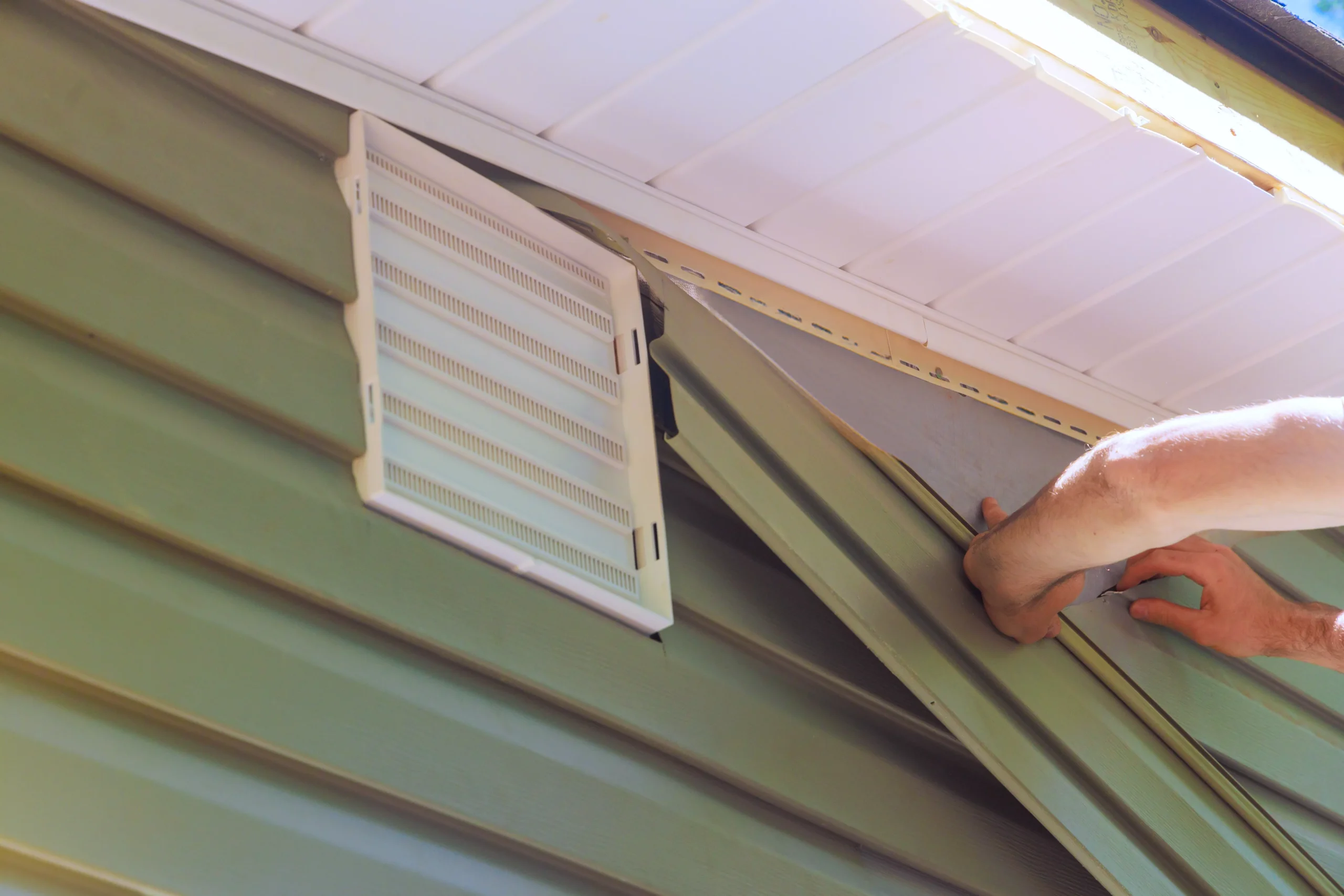
Imagine pulling up to your house after a long day, and instead of worrying about peeling paint, fading colors, or that nagging guilt over your home’s environmental impact, you feel proud. Your exterior looks sharp, stands strong against the weather, and you know it’s made from materials that don’t harm the planet. In 2025, more homeowners are searching for sustainable siding materials for homes because traditional options like vinyl or untreated wood often fall short—they’re either resource-intensive to produce, short-lived, or loaded with chemicals that leach over time.
Going green with siding isn’t just trendy; it’s smart. Sustainable choices reduce your carbon footprint, often lower energy bills through better insulation, boost curb appeal (and resale value), and hold up longer—meaning fewer replacements and less waste. Whether you’re building new, renovating an older home, or just tired of constant upkeep, the options today balance beauty, durability, and eco-responsibility like never before. In this guide, we’ll explore the top contenders, compare them head-to-head, and help you pick the perfect fit for your climate, budget, and style.
Why Choose Sustainable Siding Materials for Homes?
Your home’s siding covers thousands of square feet—it’s one of the biggest opportunities to make an eco-friendly statement. Traditional vinyl, for instance, comes from petroleum, releases toxins during manufacturing, and ends up in landfills after 20-40 years. Sustainable alternatives prioritize:
- Renewable or recycled content → Less virgin resource extraction.
- Low embodied energy → Less pollution from production and transport.
- Durability and longevity → Fewer replacements = less waste.
- Non-toxic composition → Safer for your family and installers.
- Energy efficiency → Better insulation or reflective properties cut heating/cooling costs.
- End-of-life recyclability → Closes the loop.
In 2025, with rising energy costs and climate awareness, eco-siding can even qualify for tax credits or rebates in many areas. Plus, buyers increasingly seek green features—homes with sustainable exteriors often sell faster and for more.
Key Factors in Evaluating Sustainable Siding
No material is perfect, but here’s what matters most:
- Sourcing: FSC-certified wood, recycled metals, or rapidly renewable bamboo.
- Lifespan: 50+ years beats 20-30.
- Maintenance: Low upkeep reduces chemical use.
- Climate Suitability: Fire-resistant in wildfire zones, moisture-proof in humid areas.
- Cost: Upfront vs. long-term savings.
- Aesthetics: From rustic reclaimed wood to sleek modern panels.
Let’s dive into the best options dominating in 2025.
Top Sustainable Siding Materials for Homes in 2025
1. Fiber Cement Siding (The All-Around Champion)
Made from cement, sand, and cellulose fibers (often recycled), brands like James Hardie and Allura lead the pack. It’s engineered to mimic wood, stone, or smooth panels without the drawbacks.
Why it’s sustainable:
- Abundant natural ingredients.
- Extremely durable (50+ years, resists fire, rot, pests, and extreme weather).
- Low maintenance—no painting needed if pre-finished.
- Recyclable in some programs.
Pros:
- Versatile looks—from lap to vertical boards.
- Excellent in any climate.
- Boosts energy efficiency.
Cons:
- Heavier (pro installation recommended).
- Higher upfront cost ($8-14/sq ft installed).
Perfect for: Most homeowners wanting low-hassle longevity.
2. Reclaimed or FSC-Certified Wood Siding
Nothing beats the warm, authentic charm of wood—but skip virgin timber. Reclaimed barn wood or FSC-certified cedar/redwood is the eco-way.
Why it’s sustainable:
- Reclaimed repurposes old materials (zero new trees cut).
- FSC ensures responsible forestry.
- Biodegradable at end-of-life.
Pros:
- Timeless beauty, ages gracefully.
- Natural insulation.
- Unique character (knots, weathering).
Cons:
- Requires staining/sealing every 3-10 years.
- Higher maintenance in wet climates.
- Cost: $10-20/sq ft.
Perfect for: Rustic, craftsman, or modern farmhouse styles.
3. Recycled Metal Siding (Steel or Aluminum)
Often 60-90% recycled content, steel siding from brands like TruLog or EDCO is booming.
Why it’s sustainable:
- Infinitely recyclable without quality loss.
- Long lifespan (50-100+ years).
- Reflects heat, improving cooling efficiency.
Pros:
- Zero maintenance (never paint).
- Fireproof and pest-proof.
- Modern industrial vibe.
Cons:
- Can dent or make noise in hail.
- Higher initial cost ($10-18/sq ft).
Perfect for: Contemporary homes or wildfire-prone areas.
4. Engineered Wood Siding
Composite of wood fibers and resins (like LP SmartSide), often with recycled content.
Why it’s sustainable:
- Uses wood scraps efficiently.
- Treated for rot/insect resistance without harsh chemicals.
- 50-year warranties common.
Pros:
- Authentic wood look with less waste.
- Pre-primed for easy painting.
- Good insulation.
Cons:
- Still needs occasional painting.
- Not as “natural” as solid wood.
Perfect for: Budget-conscious eco-upgrades.
5. Bamboo Siding
Rapidly renewable (matures in 5-7 years), denser than most hardwoods.
Why it’s sustainable:
- Grows like crazy without pesticides.
- Carbon-sequestering powerhouse.
- Biodegradable.
Pros:
- Exotic, modern grain.
- Hard and stable.
- Naturally pest-resistant.
Cons:
- Limited availability in some regions.
- Needs UV-protective finish.
- Cost: $8-15/sq ft.
Perfect for: Tropical or Asian-inspired designs.
6. Cork Siding
Harvested from cork oak trees without killing them (bark regrows every 9 years).
Why it’s sustainable:
- Renewable harvest supports biodiversity.
- Excellent natural insulator.
- Fully recyclable/biodegradable.
Pros:
- Unique textured look.
- Acoustic and thermal benefits.
- Mold/mildew resistant.
Cons:
- Softer—can dent.
- Limited color options.
- Emerging market (higher cost).
Perfect for: Eco-modern or Mediterranean homes.
7. Sheep’s Wool or Hemp-Based Composites
Newer panel systems blending natural fibers with resins.
Why it’s sustainable:
- Wool/hemp are renewable and carbon-sequestering.
- Often zero-VOC binders.
Pros:
- Outstanding insulation (R-value boost).
- Breathable—prevents moisture issues.
- Fire-retardant treatments available.
Cons:
- Still niche, higher cost.
- Availability varies.
Perfect for: Passive house or off-grid builds.
Sustainable Siding Materials Comparison Table
| Material | Lifespan | Cost/sq ft (Installed) | Maintenance | Fire Resistance | Eco Score (1-10) |
|---|---|---|---|---|---|
| Fiber Cement | 50+ years | $8-14 | Very Low | Excellent | 9 |
| Reclaimed/FSC Wood | 30-100+ | $10-20 | Medium | Poor-Good | 10 |
| Recycled Metal | 50-100+ | $10-18 | None | Excellent | 9 |
| Engineered Wood | 40-50+ | $7-12 | Low | Good | 8 |
| Bamboo | 30-50+ | $8-15 | Low | Fair | 9 |
| Cork | 30-50 | $12-20 | Low | Good | 10 |
| Wool/Hemp Composites | 40+ | $15-25 | Very Low | Good | 10 |
Installation and Long-Term Savings
Most sustainable sidings require proper moisture barriers and ventilation to maximize lifespan. While upfront costs run 20-100% higher than vinyl, you recoup through:
- Zero or minimal repainting.
- Lower energy bills (up to 15-20% savings).
- Higher resale value (green features add 3-7% in many markets).
In wildfire zones, go metal or fiber cement. Humid/coastal? Fiber cement or treated engineered wood. Cold climates? Insulated options like cork or wool composites shine.
Emerging Trends in 2025 and Beyond
- 3D-Printed Recycled Plastic Composites → Local production cuts transport emissions.
- Mycelium (Mushroom) Panels → Fully biodegradable, grown in weeks.
- Solar-Integrated Siding → Thin-film panels built into metal or fiber cement.
- Circular Programs → Manufacturers like James Hardie now offer take-back recycling.
The future is bright—and greener than ever.
Final Thoughts: Make the Switch That Feels Good
Choosing sustainable siding materials for homes is one of the biggest eco-wins you can make as a homeowner. It’s not about perfection; it’s about progress. Start with your priorities—budget, look, climate—and you’ll find an option that checks every box.
Your house protects you; now protect the planet back. The materials are ready, the technology is proven, and the timing has never been better. Which one speaks to you? Drop your thoughts or questions below—let’s build a more sustainable world, one beautiful exterior at a time.