
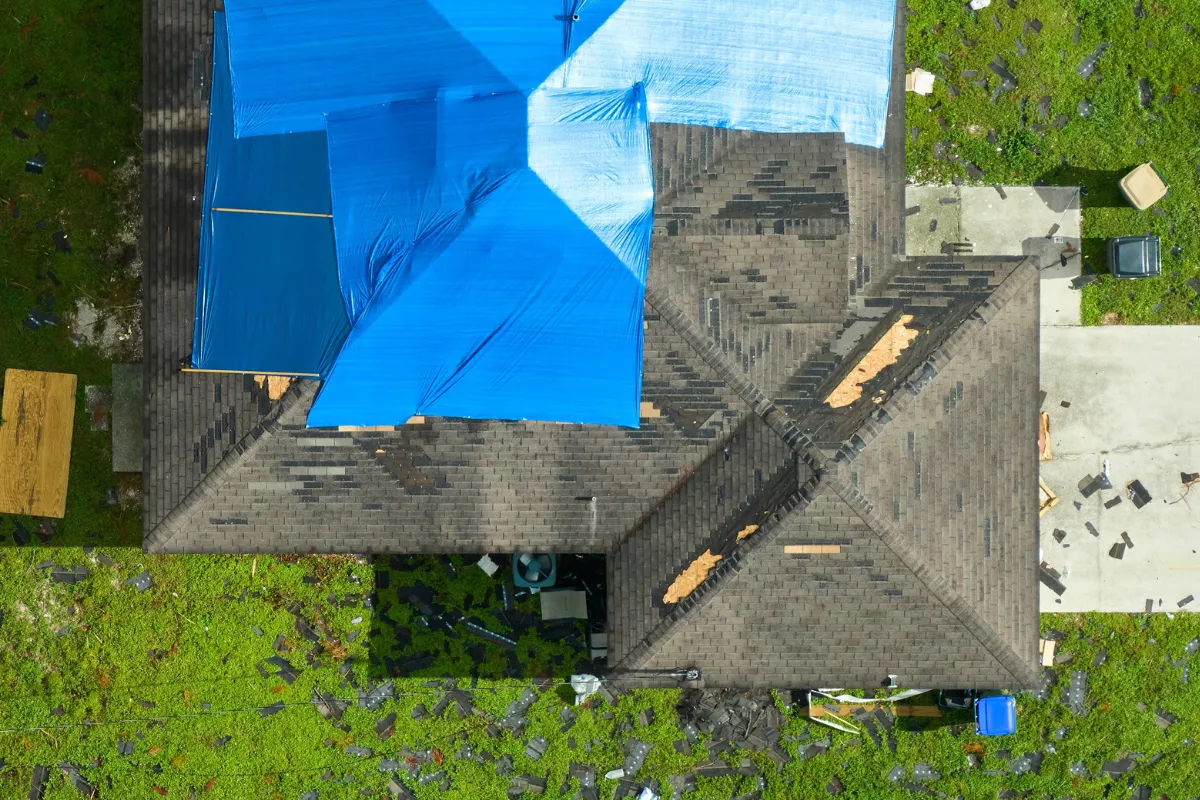
Your roof is your home’s first line of defense, shielding you from rain, snow, wind, and even the occasional falling tree branch. Think of it as your home’s all-weather umbrella, working nonstop to keep everything beneath it safe and dry. But like any hardworking system, even the strongest roof can develop problems over time. Ignoring these issues is like letting a tiny hole in that umbrella turn into a major leak.
This guide is your practical, no-fluff resource for spotting common roofing problems early and knowing exactly how to address them. Whether you’re a first-time homeowner or a seasoned property manager, we’ll walk you through the 15 most frequent roofing issues, what causes them, and how to fix them, quickly and cost-effectively.
Our goal is simple: to give you the knowledge you need to protect your home and avoid expensive repairs down the line. We’ve distilled insights from trusted sources and added real-world tips so you can feel confident tackling roof care head-on. Let’s dive in.
Why Roofing Problems Matter
A roof isn’t just a cap on your house, it’s a complex system that protects everything inside. When something goes wrong, it’s not just about a few missing shingles; it can affect your home’s structure, energy efficiency, and even your health. Think of your roof like the immune system of your home: small issues, like a cold, can be managed if caught early, but if ignored, they can spiral into serious conditions. Regular attention and timely repairs can save you thousands in the long run, not to mention the stress of dealing with leaks or structural damage during a storm. Let’s explore the most common roofing problems and how to tackle them.
-
Roof Leaks: The Silent Trouble-Makers
Roof leaks are sneaky and damaging, often caused by cracked flashing, worn shingles, or poor installation. Signs include ceiling stains, attic drips, or musty odors, all early warnings of bigger problems like mold or structural damage.
Take Sarah, for example, she ignored a small ceiling stain after a storm, only to face costly beam repairs months later. The takeaway? Don’t wait. At the first sign of a leak, call a roofing professional to inspect and fix the issue before it worsens.
To prevent leaks, schedule annual roof inspections, especially after storms. Check that flashing is secure and shingles are intact. In heavy rain areas, consider adding extra waterproofing during roof replacement.
-
Standing Water: A Pool You Don’t Want
Standing water on your roof may seem harmless, but over time it can lead to serious damage, especially on flat roofs with poor drainage. Water that doesn’t drain properly can seep into roofing materials, encouraging mold, mildew, algae, and eventually weakening the roof’s structure.
Take the case of a flat-roofed commercial building in a rainy city. The owner discovered water pooling near the HVAC unit during an inspection, caused by a clogged drain, which led to rust and leaks. A simple fix like routine gutter cleaning and adding drainage solutions such as scuppers or internal drains could have prevented the issue.
Homeowners can avoid similar problems by ensuring proper roof slope and keeping gutters clear. If you notice pooling or suspect drainage issues, call a roofing contractor to assess and recommend the right solution before damage sets in.
-
Damaged Shingles: The Roof’s Armor Takes a Hit
Shingles act as your roof’s first line of defense. When they’re cracked, curled, or missing, due to wind, debris, or age, your roof is exposed to moisture, UV rays, and potential structural damage.
Take the example of a coastal homeowner who lost a few shingles in a storm. Without realizing it, the underlayment was left unprotected, leading to water seeping into the attic during the next rainfall, turning a quick fix into an expensive repair.
The lesson? Don’t ignore missing or damaged shingles. Have a roofing professional replace them promptly and check for deeper issues. Regular roof inspections, especially after storms, help catch problems early and protect your home long-term.
-
Damaged Flashing: Weak Spots Exposed
Flashing is the unsung hero of your roof, sealing joints around chimneys, vents, and skylights to keep water out. When it cracks, corrodes, or is poorly installed, those seals fail, allowing water to sneak in and cause hidden damage.
Think of flashing like the caulk around a bathtub, once it breaks, leaks follow. One snowy-region homeowner discovered this when corroded flashing around their chimney led to a persistent leak. A quick replacement with durable aluminum flashing solved the issue. To prevent problems, inspect flashing regularly during roof maintenance. Replace any cracked or rusted sections promptly, and always rely on a skilled contractor for proper installation. It’s a small detail that protects against big repairs.
-
Poor Ventilation: Your Roof Needs to Breathe
Your roof is part of your home’s ventilation system, and when it’s not breathing properly, trouble brews. Poor attic ventilation traps heat and moisture, causing shingles to blister, sheathing to rot, and energy bills to spike. In winter, it can lead to ice dams, where melting snow refreezes at the roof’s edge, lifting shingles and causing leaks.
Imagine your attic as a stuffy room with no windows. Without airflow, it gets hot and humid, creating a perfect environment for damage. Common culprits include blocked soffit vents, too many intake areas, or mismatched ventilation systems (like a ridge vent paired with spray foam insulation). A contractor can assess your ventilation setup and recommend fixes, such as adding soffit vents or an attic fan. Regular checks, especially in extreme climates, can prevent ventilation-related issues from escalating.
-
Clogged Gutters: A Backup Waiting to Happen
Gutters are your roof’s drainage system, guiding water away from your home. When they’re clogged with leaves, twigs, or granules from asphalt shingles, water backs up, seeping into the roof’s edge or even the foundation. This can lead to rot, leaks, or structural damage. Clogged gutters can also signal granule loss, a sign your shingles are aging and losing their UV protection.
Think of gutters like the drains in your kitchen sink. If they’re clogged, water overflows, creating a mess. A homeowner in a leafy suburb ignored their gutters until water overflowed, rotting the fascia boards. Regular cleanings, twice a year, in spring and fall, can prevent this. Installing gutter guards can reduce debris buildup, and a professional can check for granule loss or gutter damage during cleanings. Don’t let a small clog turn into a big problem.
-
Poor Installation: A Costly Shortcut
A roof is only as good as its installation. Hiring an inexperienced contractor to save a few bucks can lead to a cascade of issues, leaks, loose shingles, or even a shortened roof lifespan. Poor installation often shows up as uneven shingles, improperly sealed flashing, or inadequate ventilation, all of which invite bigger problems down the road.
Consider a family who chose a budget contractor for their new roof. Within a year, leaks appeared due to improperly installed flashing. The fix cost more than the original savings. Always hire a reputable, certified roofer with a track record of quality work. Ask about their crew’s training and check reviews to ensure you’re getting skilled professionals. A well-installed roof can last 20–40 years, while a shoddy one might need repairs in half that time.
-
Damage from Trees: Nature’s Hidden Threat
Trees add beauty to your property, but they can be a roof’s worst enemy. Overhanging branches can scrape shingles, drop debris into gutters, or even fall during a storm, causing major damage. Even small branches rubbing against your roof over time can wear away the protective granule layer, leading to premature shingle failure.
Picture a homeowner who loved the shade from a massive oak tree, only to find that its branches had worn away shingles, letting water seep in. Trimming branches back from your roof and removing debris regularly can prevent this. If a storm brings down a branch, call a roofer to inspect for damage. A tree service can also help keep your greenery from becoming a roofing hazard.
-
Snow and Ice Damage: Winter’s Wrath
In cold climates, snow and ice can wreak havoc on your roof. The freeze-thaw cycle causes water to seep under shingles, freeze, and expand, lifting shingles or flashing and creating gaps for more water to enter. Ice dams, where snow melts and refreezes at the roof’s edge, are particularly damaging, leading to leaks or structural issues.
A homeowner in a snowy mountain town noticed icicles hanging from their roof but didn’t realize they were part of an ice dam until water stained their living room ceiling. Proper insulation and ventilation can prevent ice dams by keeping your roof’s temperature consistent. After a heavy snow, have a roofer check for ice buildup and clear it safely. Emergency repairs might be needed if damage is severe, but proactive maintenance can minimize risks.
-
Material Shrinkage: When Your Roof Pulls Back
Some roofing materials, like synthetic rubber membranes or certain shingles, can shrink over time due to aging, UV exposure, or poor installation. This shrinkage causes cracks or tears, especially around flashing or seams, exposing your roof to moisture and further damage. It’s like when your favorite shirt shrinks in the wash, except this shrinkage can cost thousands to fix.
For instance, a commercial building with a flat roof experienced shrinkage in its membrane, leading to leaks during heavy rains. Choosing durable materials suited to your climate and ensuring proper installation can reduce this risk. Regular inspections can catch early signs of shrinkage, like curling shingles or cracked flashing, allowing for targeted repairs before the problem spreads.
-
Pest Damage: Unwanted Roof Residents
Pests like squirrels, raccoons, or birds can turn your roof into their home, prying up shingles or nesting in chimneys. This not only damages roofing materials but can also lead to health risks, like disease from droppings or carbon monoxide buildup from blocked chimneys. A homeowner once heard scratching in their attic, only to find a squirrel had chewed through shingles to nest inside.
If you hear strange noises or notice damaged shingles, act quickly. A roofer can repair the damage, and a pest control expert can remove the culprits and seal entry points. Keeping trees trimmed and flashing secure can deter pests from setting up shop in the first place.
-
Improper Repairs: A Band-Aid That Backfires
DIY or shoddy repairs can turn a small roofing issue into a major one. Using the wrong materials, skipping proper sealing, or ignoring underlying problems can lead to leaks, mold, or even structural damage. A homeowner tried patching a leak with duct tape, only to find the damage had spread to the attic by the next rain.
Always hire a certified roofer for repairs, even small ones. They’ll use the right materials and techniques to ensure the fix lasts. If you’re tempted to DIY, limit yourself to clearing debris or cleaning gutters, and leave structural work to the pros.
-
Faulty Roofing Materials: When Quality Fails
Even a perfectly installed roof can fail if the materials are subpar. Low-quality shingles, tiles, or flashing can crack, break, or wear out faster than expected, especially in harsh climates. For example, a homeowner chose budget shingles to save money, only to need a full replacement a decade earlier than expected.
Research materials suited to your region, metal roofs for durability, asphalt shingles for affordability, or slate for longevity. Ask your contractor about warranties and expected lifespans. Regular maintenance can extend the life of even lower-quality materials, but investing in quality upfront often pays off.
-
Neglect and Poor Maintenance: The Silent Killer
Skipping routine maintenance is like ignoring your car’s oil changes, small problems grow into expensive ones. Many homeowners don’t realize their roof needs regular checkups to catch issues like loose shingles or clogged gutters before they escalate. A North Carolina roofer once shared that a client’s neglected roof required a full replacement due to years of ignored minor damage.
Schedule at least one professional inspection per year, more if you live in a stormy area. A “roof tune-up” every 8–12 years, including sealing nails and replacing worn components, can extend your roof’s life. Maintenance is far cheaper than a new roof, so don’t skip it.
-
Bald Patches: When Shingles Lose Their Grit
Asphalt shingles rely on granules to protect against UV rays and weather. Over time, these granules can wear off, leaving bald patches that expose the shingle’s base, making it brittle and prone to cracking. It’s like your roof losing its sunscreen, without it, damage accelerates.
Spotting bald patches can be tricky, but granule buildup in gutters is a telltale sign. A homeowner noticed granules in their downspouts but didn’t act until leaks appeared. Regular inspections can catch this early, and replacing affected shingles can prevent further damage. If your roof is aging, consider a full replacement to restore its protective layer.
Conclusion: Take Control of Your Roof’s Future
Your roof is a critical investment, and staying ahead of common roofing problems can save you time, money, and stress. Start by scheduling an annual inspection with a trusted roofing contractor to catch issues early. Keep gutters clean, trim overhanging trees, and address small repairs before they grow. If you’re unsure where to start, reach out to a local professional for a comprehensive assessment, they’ll spot problems you might miss and recommend tailored solutions.
Don’t let small issues snowball into costly repairs. By understanding these 15 common roofing problems and taking proactive steps, you can keep your roof strong and your home protected for decades. Bookmark this guide, share it with fellow homeowners, and make roof maintenance a priority. Your home, and your wallet, will thank you.
Need expert help? Call the team at Dynamic Home Renovations today for a full roof assessment and customized maintenance plan. We’re here to protect your home, your investment, and your peace of mind, one shingle at a time.
{SECURE YOUR ROOF TODAY}