
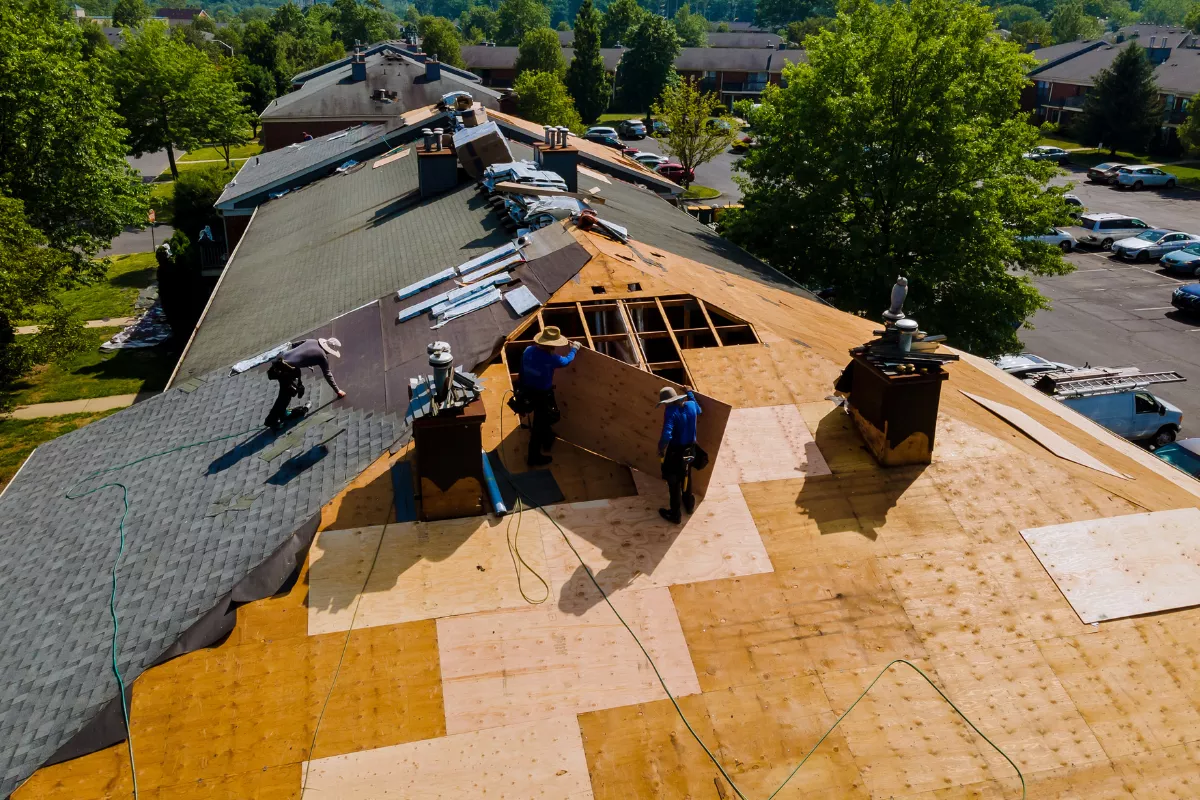
Discovering a leak or missing shingles on your roof can spark a tough question: should you repair the damage or replace the entire roof? This decision impacts your home’s safety, value, and your budget. Whether you’re a homeowner facing sudden damage or planning long-term maintenance, this concise yet comprehensive guide will help you decide with confidence. We’ll explore key factors like roof age, damage extent, and costs, blending expert insights with real-world examples to make your choice clear. Let’s dive in and ensure your home stays protected.
Roof Age: The First Clue
Your roof’s age is a critical starting point. Most asphalt shingle roofs last 10–15 years, while slate or metal roofs can endure decades. If your roof is young, repairing minor damage makes sense. But if it’s nearing the end of its lifespan, repairs may only delay inevitable issues.
Think of your roof like a car. A newer model with a small dent can be fixed easily, but an old clunker may need a full overhaul. Older roofs are prone to further damage, and repairs don’t extend their lifespan. Matching new shingles to weathered ones can also affect your home’s look. For material-specific lifespans, check the National Roofing Contractors Association.
Damage Extent: How Severe Is It?
The scope of damage determines whether repair or replacement is better. Minor issues, like a few missing shingles, are often fixable on a budget. But extensive damage, think widespread shingle loss or water-damaged decking, may cost nearly as much to repair as to replace.
Picture your roof as a quilt. A small tear can be patched, but if large sections are frayed, replacing the whole thing is wiser. Extensive damage may hide issues like rot, which a full replacement uncovers. A trusted contractor can assess the damage thoroughly.
{Get an Estimate}.
Roof Type: Material Impacts Choices
Your roof’s material influences your decision. Slate roofs, lasting up to 100 years, often justify repairs since individual tiles can be swapped out. Asphalt shingle roofs, however, don’t age as gracefully, fixing a few shingles doesn’t rejuvenate the rest.
Imagine your roof as a pair of shoes. Durable leather (slate) can be resoled, but worn-out sneakers (asphalt) may need replacing. Structural issues, like a damaged deck, may still require a full replacement, even for durable materials. The Asphalt Roofing Manufacturers Association offers insights on material durability.
Urgency: Timing Matters
Sometimes, timing forces your hand. If a storm is approaching, a quick repair can prevent further damage. Waiting out storm season might seem cost-effective, but leaks or wind damage can escalate, leading to costly interior repairs.
Think of your roof as a raincoat. A small rip needs a quick patch before a downpour, but a tattered coat demands replacement. Swift repairs buy time, but don’t skip a professional assessment. FEMA’s Ready.gov has storm prep tips to protect your home.
Long-Term Plans: Your Home’s Future
Your plans for your home shape this decision. Selling soon? A new roof boosts curb appeal and signals quality to buyers. Planning to stay long-term? A durable roof spreads costs over years, ensuring comfort.
Picture your home as a book. A new roof is a fresh cover, attracting readers (buyers). If you’re staying, it’s a sturdy binding for your story. The National Association of Realtors notes that a new roof can increase property value, making it a smart investment.
{Get an Estimate}
Energy Efficiency: Save in the Long Run
Modern roofing materials offer energy efficiency, reducing utility bills through better insulation and sunlight reflection. If your roof is outdated, replacing it could lower heating and cooling costs.
Think of your roof like an old jacket. It lets heat escape, while a new one keeps your home cozy. Reflective shingles are especially effective in hot climates. The U.S. Department of Energy details energy-efficient roofing benefits.
Building Codes: Know the Rules
Local building codes can limit options like re-roofing, where new shingles are laid over old ones. Most codes allow only two shingle layers due to weight concerns, extra layers strain your home’s structure.
Re-roofing is like painting over chipped walls; it looks good but may hide flaws. Without removing old shingles, you can’t check for underlying damage, and warranties may be voided. Verify codes via the International Code Council.
Budget: Weighing Costs
Repairs are often cheaper upfront but can add up. Per square foot, repairs cost more due to labor and smaller material orders. Extensive repairs may rival replacement costs, especially if structural issues are found.
Imagine your budget as a wallet. Small repairs are like spare change, but frequent fixes drain it faster than a one-time replacement. Full replacements are cheaper per square foot and allow a thorough inspection. If insurance covers damage, you may only pay the deductible.
{Get an Estimate}
When to Repair
Repairs suit minor damage, like a few missing shingles from wind. They’re quick and affordable but may not match older shingles’ weathered look. For moderate damage on one roof section, partial replacement, removing and replacing shingles in that area, can save money.
Think of a repair like mending a favorite shirt. It works for small tears, but widespread damage needs more. Repairs are best for younger roofs with isolated issues. This Old House offers practical repair advice.
When to Replace
A full replacement is ideal for older roofs or extensive damage. It resets your roof’s lifespan, uncovers hidden issues, and lets you upgrade to energy-efficient materials. Benefits include better aesthetics, lower energy costs, and storm-ready peace of mind.
Picture replacement as rebuilding a shaky bridge rather than patching cracks. It’s a bigger investment but ensures lasting protection. Explore modern options at CertainTeed’s Roofing Solutions.
Real-World Example: A Tale of Two Roofs
Jane’s 12-year-old asphalt roof lost shingles in a storm. She spent $500 on repairs, but leaks returned two years later, costing $2,000 to fix deck damage. Frustrated, she invested $10,000 in a new energy-efficient roof, cutting energy bills and boosting home value.
Mike’s 30-year-old slate roof had cracked tiles. He spent $300 on repairs, and the roof held strong, thanks to slate’s durability. These cases show how roof age and material guide decisions. A contractor can clarify your best path.
Conclusion: Protect Your Home Wisely
Choosing between repairing or replacing your roof depends on several factors, age, damage extent, material, urgency, energy efficiency, local codes, future plans, and budget. Minor issues on newer roofs can often be repaired, but older or severely damaged roofs typically require replacement to ensure long-term protection. A professional assessment is essential to make the right call and safeguard your home.
Don’t let roof concerns linger. Contact Dynamic Home Renovations today to schedule a professional inspection and get honest, expert advice tailored to your needs. Whether it’s a repair or full replacement, we’ll help you make a confident, cost-effective decision for your home’s future.
{Secure your roof today}