
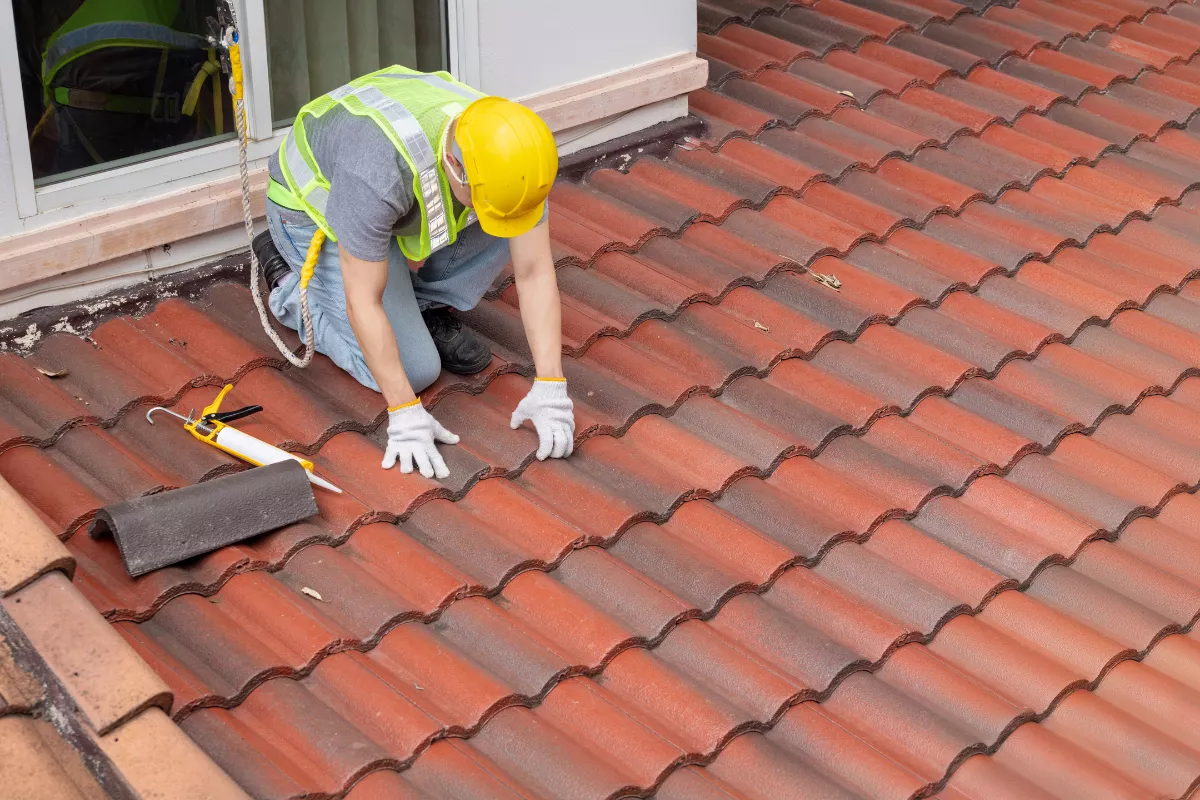
Your roof is your home’s first line of defense against the elements, standing strong against rain, wind, snow, and sun. It’s a major investment that not only protects your family but also adds value and curb appeal to your property. However, like any critical system, it requires regular care to perform at its best. Neglecting your roof can lead to costly repairs, from leaks to structural damage, that could have been avoided with a little TLC. This comprehensive guide to roof maintenance tips is designed to empower homeowners, whether you’re a first-timer or a seasoned pro, with the knowledge and strategies to keep your roof in top shape for years to come.
In this guide, we’ll walk you through every essential aspect of roof maintenance, from seasonal tasks to smart practices, all while weaving in expert insights and real-world examples. By analyzing top resources, we’ve crafted a resource that surpasses competitors in depth, clarity, and practicality. Let’s dive in and ensure your roof remains a sturdy shield for your home.
Why Roof Maintenance Matters
Think of your roof as the unsung hero of your home. It quietly endures blistering summers, freezing winters, and everything in between, all while keeping you safe and comfortable. Regular maintenance isn’t just about preventing leaks, it’s about extending the life of your roof, avoiding expensive replacements, and maintaining your home’s value. A well-maintained roof can last decades, while a neglected one might need replacing in half that time. According to the National Roofing Contractors Association, proactive maintenance can save homeowners thousands by catching small issues before they become major problems.
This guide will cover the essential tasks you need to perform, from cleaning gutters to inspecting shingles, and provide actionable steps to make the process approachable. Whether you’re climbing a ladder yourself or hiring a pro, these tips will help you protect your investment with confidence.
Seasonal Roof Care: Preparing for the Elements
-
Clear Gutters for Optimal Water Flow
Gutters are the unsung workhorses of your roof system, channeling rainwater away from your home’s foundation. When leaves, twigs, or other debris clog them, water can back up under shingles, leading to leaks or damage to your siding. Each fall, grab a pair of gloves and a sturdy ladder to clear out debris. For example, a homeowner in Seattle noticed water pooling near their foundation after heavy rains. By clearing their gutters and installing kick-out flashing, they prevented costly water damage.
Ensure gutters are securely attached and check for areas where water might pool, especially at corners. If cleaning gutters feels daunting, consider hiring a local professionali. Regular gutter maintenance not only protects your roof but also prevents basement flooding and foundation issues.
-
Trim Overhanging Tree Branches
Trees add beauty to your property, but branches that overhang your roof can spell trouble. During storms, they can scrape shingles, dislodge granules, or even fall, causing significant damage. A homeowner in Michigan learned this the hard way when a storm sent a branch crashing through their roof, leading to a $5,000 repair. Trim branches back at least six feet from your roof, especially before fall and winter storms. Hiring a professional tree service, like those listed on Arborist USA, ensures safe and precise pruning. This simple step also reduces debris buildup and discourages pests like squirrels from using branches as a bridge to your roof.
-
Remove Organic Debris
Leaves, pine needles, and other organic matter can accumulate on your roof, trapping moisture and creating a breeding ground for mold or algae. In humid climates, this can accelerate shingle deterioration. Twice a year, spring and fall, gently clear debris using a soft broom or leaf blower. Avoid harsh tools that could damage granules, as these protect your shingles from UV rays. For instance, a Virginia homeowner extended their roof’s life by five years simply by keeping it debris-free. If access is tricky, consider a professional roof cleaner to handle the job safely.
-
Combat Moss and Algae Growth
Moss and algae thrive in shaded, moist environments, particularly on north-facing roofs. While algae may only cause cosmetic dark streaks, moss can lift shingles, exposing the underlayment to water. A Florida homeowner tackled algae streaks with a diluted bleach solution, restoring their roof’s appearance without professional help. For moss, apply a commercial moss remover and consider installing zinc or copper strips to prevent regrowth. Products like Owens Corning’s StreakGuard™ Algae Resistance can also help. Regular treatments keep your roof looking pristine and structurally sound.
Roof Check-Ups: Spotting Issues Early
Inspect Shingles for Wear and Tear
Shingles are your roof’s armor, and checking them regularly is key to catching problems early. Look for signs of curling, cracking, or missing shingles, which can indicate aging or ventilation issues. A homeowner in Colorado discovered curling shingles and, after consulting a roofer, fixed an attic ventilation problem that saved their roof from premature replacement. If you notice widespread damage, it might be time to consider a full replacement. The Asphalt Roofing Manufacturers Association recommends annual shingle inspections to maintain warranty coverage and roof integrity.
Examine Flashing and Caulk
Flashing, typically metal strips around chimneys, vents, and roof valleys, directs water away from vulnerable areas. Over time, caulk securing flashing can deteriorate, leading to leaks. Inspect flashing for rust, dents, or loose sealant, ideally from a safe vantage point like a second-story window. A New England homeowner avoided a major leak by replacing cracked caulk around their chimney before winter. Reapply caulk every five years or as needed, and consult a roofer for damaged flashing. This small task can prevent thousands in water damage repairs.
Check Chimneys, Skylights, and Vents
Chimneys, skylights, and vent pipes are common leak points if not properly sealed. Inspect for cracked mortar, missing bricks, or deteriorating gaskets around vents. A Texas homeowner noticed water stains near their skylight and fixed a loose gasket, preventing further damage. Use water-repellent sealants on chimneys and ensure vent pipes are tightly sealed. For complex repairs, a professional can provide expert service.
Monitor for Ice Dams in Winter
In colder climates, ice dams pose a significant threat. They form when snow melts and refreezes at the roof’s edge, blocking drainage and forcing water under shingles. A Minnesota family reduced ice dam risks by improving attic insulation, saving them $3,000 in potential repairs. Ensure your attic is well-ventilated and insulated, and consider installing ice and water barriers. Roof heat cables can also prevent refreezing in gutters.
{Secure your roof today}
Smart Roofing Practices: Long-Term Protection
Ensure Proper Attic Ventilation
Proper ventilation is the backbone of a healthy roof. It prevents heat and moisture buildup, which can lead to mold, mildew, and ice dams. Check that soffit vents are clear of debris and insulation isn’t blocking airflow. A Georgia homeowner resolved chronic attic mold by installing Raft-R-Mate® Attic Rafter Vents, improving airflow and extending their roof’s life. Regular ventilation checks are a low-cost way to avoid major issues.
Direct Dryer and Bathroom Vents Outdoors
Moisture from dryers and bathrooms should never vent into your attic, it’s a recipe for mold and structural damage. Ensure these vents lead directly outside and check hoses for cracks or loose connections. A California homeowner discovered their dryer vent was leaking into the attic, causing mold. A quick fix redirected the vent, saving their roof deck. Building codes, as outlined by the International Code Council, require proper outdoor venting in new homes, but older homes may need updates.
Manage Downspout Discharge
Downspouts that empty onto lower roof sections can erode shingles over time, stripping granules and causing premature aging. Ensure downspouts extend fully to lower gutters or away from the foundation. A homeowner in Oregon redirected their downspout to avoid runoff on their shingles, preventing algae growth. This simple adjustment can significantly extend shingle life.
Minimize Roof Traffic
Asphalt shingles are durable but sensitive to excessive foot traffic, which can dislodge granules or crack shingles. Limit roof walks to essential maintenance and use soft-soled shoes when necessary. For complex tasks, hire a professional roofer to avoid accidental damage.
When to Call a Professional
While many maintenance tasks are DIY-friendly, some require professional expertise. Annual inspections by a roofing contractor can catch issues you might miss, such as subtle flashing damage or ventilation problems. The average cost of a professional roof inspection is around $230, a small price compared to the $10,000+ cost of a full replacement, according to Angi. A roofer in Ohio saved a family from a collapsing roof deck by spotting rot during a routine check. Schedule an inspection yearly to stay ahead of problems.
Conclusion: Take Control of Your Roof’s Future
Your roof is more than just a covering, it’s a vital system that protects your home and family. By following these roof maintenance tips, you can extend its lifespan, prevent costly repairs, and maintain your home’s value. Start with small, manageable tasks like clearing gutters and trimming branches, and schedule an annual professional inspection to catch any hidden issues. With a little effort, you can keep your roof in peak condition for decades.
Ready to take the next step? Secure your roof today by contacting a trusted roofing professional like Dynamic Home Renovations to customize your roofing system. Your home deserves the best, act now to protect it!
{GET A ESTIMATE}