
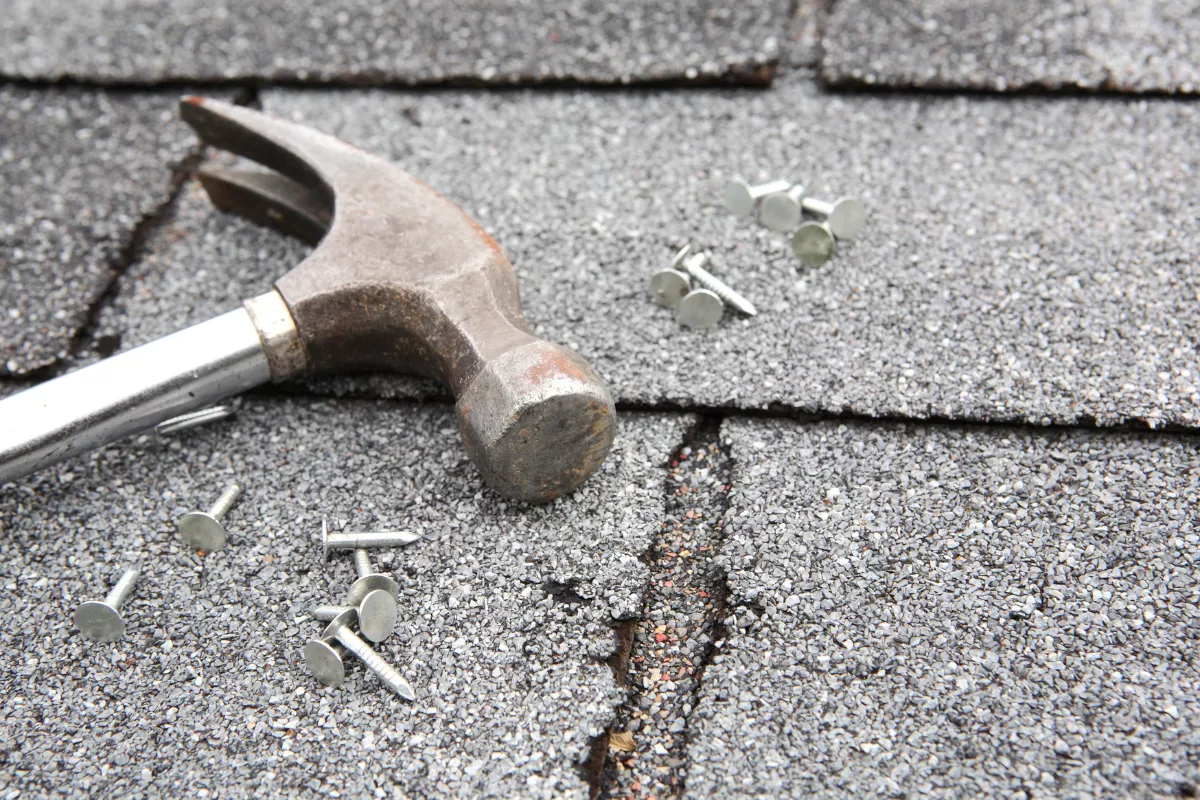
A leaking roof is like an uninvited guest that shows up at the worst possible time, leaving a trail of chaos in its wake. Whether it’s a slow drip staining your ceiling or a full-on deluge threatening your home’s structure, a roof leak demands immediate attention. This comprehensive guide on how to repair a leaking roof is designed to empower both novice homeowners and seasoned DIY enthusiasts with the knowledge and confidence to tackle this common yet daunting issue. By combining practical steps, expert insights, and real-world examples, we’ll walk you through identifying, fixing, and preventing roof leaks while helping you decide when to call in the professionals. Let’s dive in and take control of that pesky leak before it turns into a costly nightmare.
What Causes a Roof Leak and Why It Matters
Roof leaks often start small but can spiral into major headaches if ignored. They’re typically caused by damaged shingles, compromised flashing, clogged gutters, or aging roofing materials. Harsh weather, think pounding rain, heavy snow, or high winds, can exacerbate these vulnerabilities, allowing water to seep into your home. Left unchecked, a leak can lead to mold growth, structural damage, and skyrocketing repair costs. According to the National Roofing Contractors Association, addressing leaks early can save homeowners thousands in repairs by preventing damage to insulation, drywall, and framing. Understanding the root causes not only helps you fix the problem but also equips you to prevent future leaks, keeping your home safe and dry.
Spotting the Signs of a Leaking Roof
Catching a roof leak early is like treating a cold before it turns into pneumonia, it’s about spotting the symptoms. Water stains on ceilings or walls are common warning signs, but issues often start earlier. Watch for damp attic insulation, missing shingles, or damaged flashing around chimneys and vents.
For example, a Kansas City homeowner spotted a ceiling stain and traced it to damp insulation near a vent, preventing further damage. To check for leaks, inspect your attic after rain for wet areas or “shiners” (exposed nails with moisture). Outside, look for missing shingles, cracked flashing, or worn vent boots. Addressing these early signs helps prevent costly repairs and protects against mold, which the EPA warns can impact your health.
How to Pinpoint the Source of a Roof Leak
Finding the exact source of a roof leak can be tricky, water often enters in one spot and travels before showing up inside. Gravity means the leak is likely higher on the roof than the interior drip. Start your search uphill from the stain, especially near roof penetrations like vents, chimneys, or skylights, common weak spots. As Colorado renovator Niki O’Brien notes, flashing damage around these areas is often the culprit.
If you can access the attic, look for water trails or damp insulation. For harder-to-find leaks, try the garden hose test: have someone watch inside while you slowly soak sections of the roof from low to high. One Ohio homeowner found a persistent chimney leak this way. If needed, carefully lift shingles to inspect underneath, look for stained felt paper or rotted wood as clues. Take your time, rushing can cause further damage or missed issues.
{Get an Estimate}
DIY Fixes for Small Roof Leaks
Once you’ve found the leak, small repairs can often buy time before major work is needed. For minor issues, like a missing shingle or small hole, roofing caulk or replacing a single shingle can be effective. For example, a Florida homeowner sealed a leak caused by a loose nail using roofing adhesive, preventing further damage until a roofer arrived.
To replace a shingle, lift the surrounding ones with a pry bar, remove the damaged piece, and slide in a new shingle, securing it with roofing nails and sealing with caulk. For damaged flashing, replace rusted sections with new galvanized steel, making sure pieces overlap to direct water away. Use high-quality materials, overusing caulk or cheap fixes won’t hold up. The Home Depot recommends durable sealants and flashing for longer-lasting results.
Essential DIY Roof Repair Tips for Safety and Success
DIY roof repairs can save money, but safety and precision are critical. Always wear a roofing harness, non-slip shoes, gloves, and goggles. A Texas homeowner avoided a serious fall by using a Guardian Roofing Harness Kit while replacing shingles. Never work alone, having someone to assist improves both safety and efficiency.
Use chalk lines for straight shingle placement and consider a pneumatic nail gun for speed and accuracy. Check flashing around chimneys and dormers regularly, as these are common leak points. One Minnesota homeowner prevented major damage by inspecting chimney flashing after storms.
Know your limits, complex repairs near skylights or valleys are best left to professionals. According to OSHA, using proper safety gear and following guidelines is essential to prevent injuries on the roof.
When to Repair vs. Replace Your Roof
Deciding whether to repair or replace your roof depends on the damage and the roof’s age. Minor issues, like a missing shingle or small leak, can often be patched. But if your roof is over 20 years old or out of warranty, repairs may only delay the inevitable. A Michigan homeowner, for example, chose to replace her 30-year-old roof after repeated leaks, saving money long-term by avoiding ongoing fixes.
Signs it’s time to replace include sagging rooflines, widespread water damage, or frequent ice dams, especially in colder climates. Ice dams, often caused by poor ventilation or clogged gutters, can force water under shingles. A new roof with proper insulation and an ice-and-water barrier can help prevent this. Planning to sell? Realtor.com notes a new roof can boost your home’s value by $15,000 or more. When in doubt, consult a professional roofer for an expert assessment.
{Get an Estimate}
Common Roof Leak Culprits: Vents, Chimneys, and Dormers
Roof penetrations, like vents, chimneys, and dormers, are common leak points. Cracked or rotted plumbing vent boots can allow water in; replacing the boot or securing it with rubber-washer screws often solves the problem. Rusted chimney flashing is another issue. A Pennsylvania homeowner fixed a persistent leak by installing new flashing to redirect water.
Dormer leaks often stem from cracked or missing caulk. Remove the old caulk and apply a high-quality sealant, overlapping the step flashing by at least two inches. On complex roofs, consider adding an ice-and-water barrier for extra protection against ice dams or wind-driven rain. Regular maintenance, such as clearing debris from roof valleys, helps prevent water buildup and prolongs roof life, according to the Asphalt Roofing Manufacturers Association.
The Pros and Cons of DIY Roof Repair
DIY roof repairs can be appealing for budget-conscious homeowners, offering major savings on labor and control over scheduling. For example, a DIYer in Georgia saved $2,000 by replacing damaged shingles over a weekend.
However, the trade-offs are serious. DIY repairs often take longer and require tools you may not have, like pneumatic nail guns. Mistakes can void warranties or worsen leaks. One Illinois homeowner had to call in professionals after a botched repair caused a larger issue. Without experience, the risks, both to safety and your home, can outweigh the cost savings. Consider your skill level and the complexity of the job before taking it on yourself.
Preventing Future Roof Leaks Through Maintenance
Prevention is the best way to avoid costly roof leaks. Regular tasks like cleaning gutters and inspecting shingles after storms can catch problems early. For instance, a Wisconsin homeowner prevented a major leak by clearing gutters before winter, avoiding ice dams that force water under shingles.
Annually check flashing and vent boots, and trim overhanging branches to limit debris. Proper attic insulation and ventilation are also key, helping prevent moisture buildup and ice dams. The U.S. Department of Energy recommends ensuring good attic airflow for roof longevity. Schedule professional inspections every few years and consider adding a waterproof underlayment during repairs for extra protection. Consistent maintenance keeps your roof strong and helps you avoid expensive surprises.
{Get an Estimate}
When to Call a Professional Roofer
While DIY fixes can handle small leaks, some situations demand professional expertise. Extensive damage, sagging rooflines, or leaks in complex areas like valleys or skylights are best left to pros. A homeowner in Oregon called a roofer after discovering widespread water damage in her attic, avoiding mold growth and structural issues. Professionals also ensure repairs comply with warranty requirements, preserving your investment.
Hiring a reputable contractor, guarantees quality work and peace of mind. They can assess whether a full replacement is needed and handle the job efficiently, often in a single day. If you’re unsure about the extent of your roof’s damage, schedule a professional inspection to get an accurate diagnosis and tailored solutions.
Conclusion: Take Control of Your Roof’s Future
A leaking roof doesn’t have to spell disaster. By spotting early warning signs, handling small repairs wisely, and knowing when to call a pro, you can prevent serious water damage and save on costly repairs. Begin with a thorough inspection, tackle manageable fixes, and commit to regular maintenance to avoid future issues. And if the problem feels too big to handle alone, calling in professionals can save you time, money, and stress.
Ready to fix that leak or get expert advice?
Contact Dynamic Home Renovations today for trusted roof repair and replacement services. Our experienced team is here to protect your home with quality workmanship, honest guidance, and long-lasting results. Let’s get your roof back in shape, starting now.
{Secure your roof today}