
Imagine standing in front of your future home, picturing its outline against the evening sky. The roof, often overlooked, is a defining feature that shapes your home’s style, durability, and cost. Choosing between a flat roof and a pitched roof is like deciding between a modern minimalist loft or a classic suburban charmer, each has its own allure, but the best choice depends on your vision, budget, and environment. This comprehensive guide, clocking in at over 1,600 words, dives deep into the flat roof vs. pitched roof debate, offering clear, actionable insights for homeowners, builders, and renovators. Drawing from trusted sources we’ll explore the pros, cons, and key factors to help you make an informed decision. Let’s build the foundation for your roofing choice.
What Is a Pitched Roof?
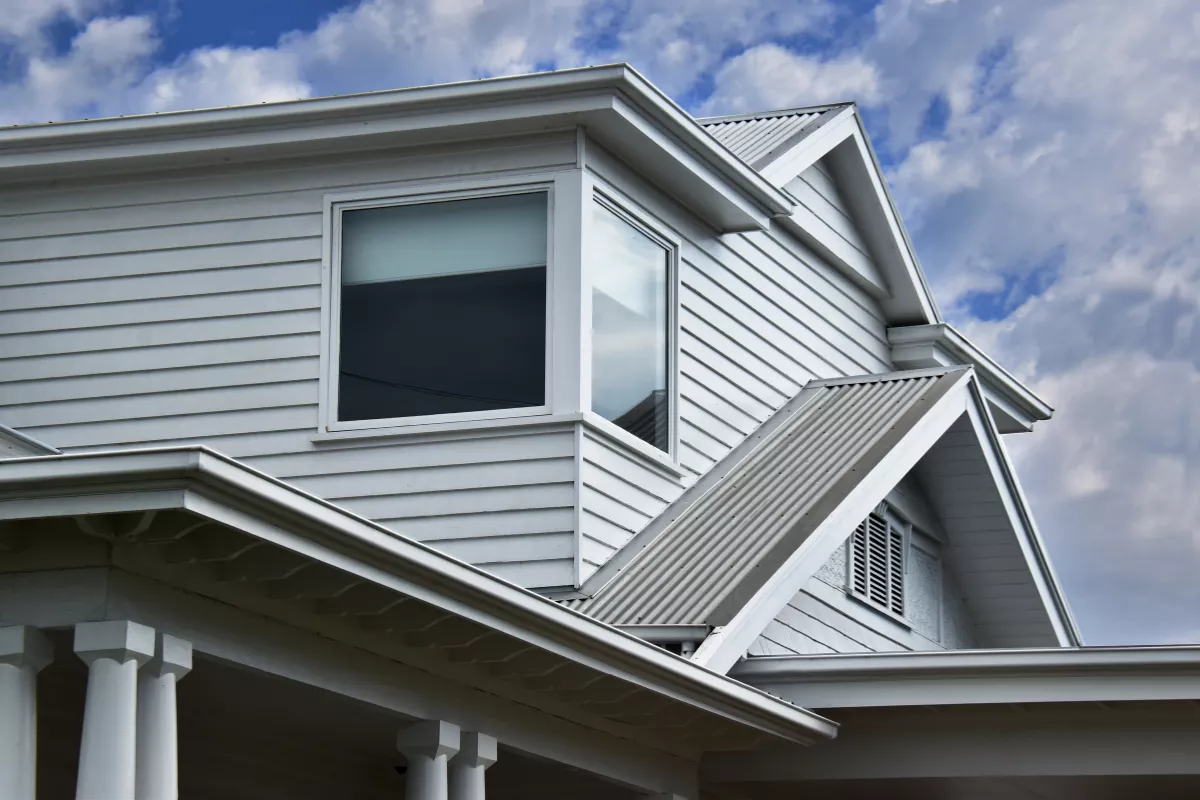
A pitched roof, also known as a sloped roof, features a distinct angle or slope, often forming a peak at the center. Picture the classic triangular silhouette of a traditional home, it’s the go-to choice for residential properties, especially in regions like the Midwest, where heavy snow and rain are common. The slope, which can range from gentle to steep, allows water, snow, and debris to slide off naturally, protecting the structure. Constructed with materials like asphalt shingles, metal, slate, or tile, pitched roofs blend functionality with aesthetic appeal, often creating usable attic space for storage or even cozy lofts.
Pitched roofs are more than just practical; they’re a symbol of timeless architecture. They offer durability and charm but require careful consideration of your home’s style and long-term goals. Let’s break down their advantages and drawbacks to see if a pitched roof fits your needs.
Advantages of a Pitched Roof
Pitched roofs have been a cornerstone of residential design for centuries, offering a compelling mix of durability and style. Their standout feature is longevity, depending on the material, they can last from 20 years (asphalt shingles) to over 100 years (slate or metal). Take the example of a homeowner in Michigan who installed a metal pitched roof; it’s endured decades of harsh winters with minimal upkeep, showcasing its resilience. The sloped design ensures rain, snow, and debris slide off effortlessly, reducing the risk of leaks and structural damage. This low-maintenance nature makes pitched roofs a smart long-term investment, as highlighted by Werner Roofing.
Beyond durability, pitched roofs enhance curb appeal. Visible from the street, they allow for customization with various materials, colors, and shingle patterns, letting you craft a look that complements your home. A National Association of Realtors study notes that roof upgrades can significantly boost resale value, especially in traditional neighborhoods. With minimal maintenance, typically just periodic inspections, pitched roofs offer high lifetime value, making them a favorite for homeowners seeking both beauty and practicality.
Drawbacks of a Pitched Roof
Despite their strengths, pitched roofs have challenges. The primary hurdle is cost. Their complex structure requires more materials and labor, averaging $9,400 or more compared to $7,400 for flat roofs, according to Angi’s 2025 roofing cost data. Premium materials like slate or copper can push costs even higher, sometimes exceeding $25,000. The sloped design also reduces usable interior space, as the angled ceiling can limit attic functionality or upper-floor living areas. For homeowners dreaming of spacious lofts, this can be a drawback.
In windy regions, like coastal areas prone to hurricanes, pitched roofs are more vulnerable. Their overhangs can catch strong gusts, increasing the risk of damage. Reinforcing the design can mitigate this, but it adds to the cost. For those prioritizing modern aesthetics, pitched roofs may feel too traditional, clashing with contemporary architectural styles.
What Is a Flat Roof?
A flat roof appears nearly level, though it typically has a slight slope to aid drainage. Common on commercial buildings, multi-family homes, and modern residences, flat roofs are built with materials like asphalt, modified bitumen, or single-ply membranes such as TPO or EPDM. They offer a sleek, minimalist aesthetic and functional rooftop space for HVAC units, solar panels, or even gardens. While their modern appeal is undeniable, flat roofs demand diligent maintenance to prevent issues like water pooling. Let’s explore their pros and cons.
Advantages of a Flat Roof
Flat roofs are a budget-friendly and stylish choice. They cost about 22% less to install than pitched roofs, averaging $7,400, per Angi’s cost estimates. Their simpler structure requires fewer materials and less labor, making them quicker to install, a major plus for commercial projects or homeowners on tight timelines. Aesthetically, flat roofs deliver a clean, modern look, perfect for urban lofts or contemporary homes. They also maximize interior space, as there’s no sloped ceiling cutting into upper floors.
Functionality is a key strength. Flat roofs can house HVAC units or rooftop amenities, freeing up indoor space. A Chicago warehouse, for example, used its flat roof for HVAC units, optimizing interior square footage for offices. Flat roofs also excel in wind resistance, as their flush design avoids overhangs, making them ideal for stormy regions. Additionally, they support energy-efficient features like solar panels, which can be angled for maximum sunlight, as noted in a U.S. Department of Energy report on sustainable roofing.
Drawbacks of a Flat Roof
Flat roofs come with trade-offs. Their lifespan is shorter, typically 10 to 30 years, meaning earlier replacements compared to pitched roofs. This can offset initial savings, especially for long-term homeowners. Maintenance is another concern. Even with slight slopes, flat roofs are prone to puddling, increasing leak risks. Werner Roofing recommends annual inspections to catch issues early, a lesson learned by a Seattle homeowner who faced recurring leaks until investing in regular upkeep. Flat roofs also add less to home value, as they’re not visible from the street, limiting curb appeal compared to pitched roofs.
Flat Roof vs. Pitched Roof: Key Comparisons
Choosing between flat and pitched roofs involves weighing aesthetics, cost, and practicality. Here’s a detailed comparison based on insights from Werner Roofing and Angi.
-
Appearance and Curb Appeal
Pitched roofs lead in curb appeal, offering a classic, customizable look with materials like slate or shingles. They enhance home value, especially in traditional neighborhoods. Flat roofs, hidden from street view, prioritize function over aesthetics, suiting modern designs but contributing less to resale value.
-
Cost and Installation
Flat roofs are more affordable, costing around $7,400 on average compared to $9,400 for pitched roofs. Their simpler design saves on materials and labor, ideal for budget-conscious projects. Pitched roofs, while pricier upfront, offer long-term savings due to their durability and lower maintenance needs.
-
Maintenance and Longevity
Pitched roofs require minimal upkeep, occasional inspections are often enough, thanks to their water-shedding slope. Materials like metal or slate can last 15 to 150 years. Flat roofs, with a 10- to 30-year lifespan, need regular drain cleaning and inspections to prevent leaks, adding to long-term costs.
-
Leak Resistance
Pitched roofs excel at repelling water and snow, minimizing leak risks. Flat roofs, despite drainage systems, are prone to puddling, especially in heavy rain, making leaks more likely without consistent roof maintenance.
-
Wind Resistance
Flat roofs are more wind-resistant, as their flush design avoids overhangs that catch gusts. Pitched roofs, with protruding edges, face higher risks in storms, requiring reinforced designs in windy areas.
-
Customization and Functionality
Pitched roofs offer extensive customization, from shingle patterns to material choices, letting you craft a unique look. Flat roofs, while limited in aesthetics, provide functional rooftop space for HVAC units, solar panels, or gardens, optimizing energy efficiency and usability.
-
DIY and Repairs
Pitched roofs are slightly more DIY-friendly, though both types are best left to professionals. Flat roofs are easier to access for repairs, reducing labor costs, but their specialized materials require expertise, as noted in Angi’s guide to hiring roofers.
{SECURE YOUR ROOF TODAY}
Real-World Scenarios
Consider two homeowners: Sarah, building a modern Seattle loft, and Tom, renovating a traditional Michigan home. Sarah chose a flat roof with a TPO membrane for its sleek look and rooftop garden potential. While she loves the extra space, annual maintenance is crucial to prevent leaks in Seattle’s rainy climate. Tom opted for a pitched asphalt shingle roof, blending seamlessly with his neighborhood. Its slope handles snow effortlessly, requiring minimal upkeep, and boosts his home’s resale value. Both made choices aligned with their priorities—Sarah valued aesthetics and function, Tom prioritized durability and charm.
Choosing the Right Roof for You
Your roofing choice should align with your home’s style, climate, and budget. Flat roofs work well for modern designs, windy locations, and budget-conscious projects, plus they offer usable rooftop space. Pitched roofs, on the other hand, suit traditional homes and regions with heavy rain or snow, providing better drainage, durability, and curb appeal.
Consider your local weather, architecture, and long-term goals. Flat roofs resist wind better, while pitched roofs perform best in snowy or rainy climates. A professional roofer can assess your home and help you find the right balance between initial cost and long-term value.
Ready to choose the perfect roof? Trust Dynamic Home Renovations for expert advice, quality craftsmanship, and tailored solutions. Get your free roofing estimate today and protect your home with confidence.
{Get a free roofing estimate}