
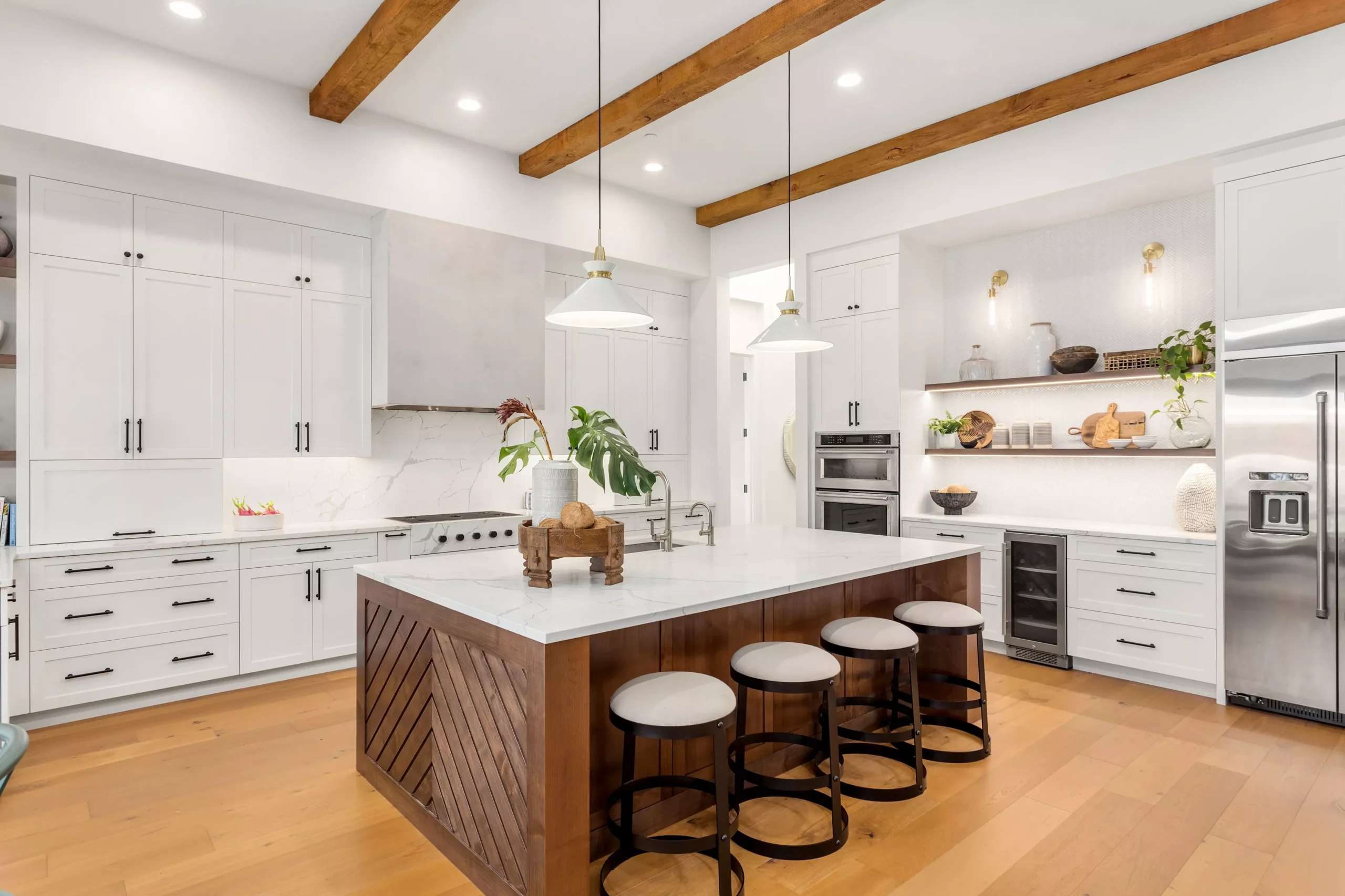
Transforming your kitchen into an open concept space is like tearing down walls—literally and figuratively—to create a hub of connection, light, and flow. When I helped a friend remodel their cramped kitchen into an open layout, we turned a dated, boxed-in space into a vibrant gathering spot that boosted their home’s value by 7%. But it wasn’t all smooth sailing—ignoring traffic flow led to a crowded island that we had to tweak. Open concept kitchen remodel ideas offers practical, stylish solutions to make your kitchen the heart of your home, drawing from my experience and 2025 design trends. Whether you’re aiming for functionality, aesthetics, or resale appeal, these ideas will inspire a space that’s as inviting as it is efficient. Let’s explore how to create an open concept kitchen that wows.
What Is an Open Concept Kitchen?
An open concept kitchen removes physical barriers (walls, partitions) to blend seamlessly with adjacent living or dining areas, creating a spacious, interconnected layout. It’s ideal for entertaining, family life, or modern aesthetics, emphasizing light, flow, and flexibility. A 2025 National Association of Realtors report notes that 65% of homebuyers prioritize open kitchens, adding 5-10% to resale value. But it requires careful planning to balance style, storage, and practicality.
Key goals:
- Maximize space: Create an airy, uncluttered feel.
- Enhance flow: Ensure easy movement between zones.
- Boost functionality: Maintain storage and work areas.
- Elevate style: Blend with your home’s aesthetic.
Top Open Concept Kitchen Remodel Ideas
These ideas are tailored for a 200-400 square-foot kitchen-living space, with costs, timelines, and tips for a 2025 remodel. They balance DIY and pro-level projects, focusing on high-impact changes.
1. Remove or Modify Walls for Openness
Knocking down walls is the cornerstone of open concept design.
- How: Remove non-load-bearing walls or partially open load-bearing ones with beams or columns. Hire a structural engineer ($500-$1,000) to assess.
- Impact: Creates a seamless flow to living/dining areas. My friend’s kitchen gained 100 square feet of perceived space by removing a wall.
- Cost: $1,000-$5,000 (demo, permits, beam installation). DIY demo saves 20-30% but needs pro oversight for safety.
- Timeline: 2-5 days (pro); 5-10 days (DIY with permits).
- Tip: Replace a full wall with a half-wall or pass-through for partial openness if budget’s tight ($500-$2,000).
- Pitfall: Dust and noise—cover furniture and ventilate. I underestimated cleanup, adding a day.
2. Install a Multi-Functional Kitchen Island
An island anchors the space, adding counter space, storage, and social appeal.
- Design: Choose a 6×3-foot island with seating (2-4 stools), storage (cabinets/drawers), and features like a sink or stovetop.
- Materials: Quartz countertops ($50-$100/square foot), wood or painted cabinetry. I used butcher block ($200) for a warm, budget-friendly look.
- Cost: $2,000-$6,000 (custom); $500-$1,500 (prefab). Installation: 1-2 days.
- Trend: 2025 favors waterfall edges and built-in wine coolers ($300-$800).
- Tip: Ensure 36-42 inches of clearance around the island for traffic flow. My friend’s first island was too large, blocking movement—resized for $500.
- Pitfall: Overloading with appliances; keep it simple to avoid clutter.
3. Create a Cohesive Color Palette
Unified colors tie the kitchen to adjacent spaces.
- How: Use neutral tones (white, gray, beige) for cabinets and walls, with pops of color (e.g., navy island, green backsplash). 2025 trends lean toward warm neutrals like taupe.
- Impact: Makes the space feel larger and cohesive. My friend’s white cabinets blended with the living room’s beige walls, creating harmony.
- Cost: $500-$2,000 (paint, cabinet refinishing). DIY: $200-$500.
- Timeline: 2-4 days (painting); 5-7 days (cabinet refacing).
- Tip: Use matte finishes for walls to hide imperfections; satin for cabinets to resist stains.
- Pitfall: Too many bold colors fragment the space—stick to 2-3 hues.
4. Upgrade to Open Shelving or Glass Cabinets
Open storage adds airiness and showcases style.
- How: Replace upper cabinets with floating shelves or glass-fronted cabinets. Display curated dishes or plants.
- Impact: Reduces visual bulk, enhances openness. My open shelves ($100 DIY) made my kitchen feel less boxed-in.
- Cost: $100-$500 (shelves); $500-$2,000 (glass cabinets). Installation: 1-2 days.
- Trend: 2025 loves mixed metals (brass brackets, black frames) for shelves.
- Tip: Limit shelves to 2-3 per wall to avoid clutter. Anchor securely for safety.
- Pitfall: Overloading shelves—keep it minimal or dust becomes a chore.
5. Incorporate Statement Lighting
Bold lighting defines zones and adds drama.
- Options: Pendant lights over islands ($100-$500 each), chandeliers in dining areas ($200-$1,000), under-cabinet LEDs ($50-$200).
- Impact: Highlights the island and creates ambiance. My friend’s brass pendants ($300) tied the kitchen to the living room.
- Cost: $200-$2,000. Installation: 1-2 days (pro electrician for wiring).
- Trend: Oversized geometric pendants or smart LEDs (dimmable, $100 extra).
- Tip: Use 3 pendants for a 6-foot island, spaced 18 inches apart.
- Pitfall: Low-hanging lights block sightlines—hang 30-36 inches above counters.
6. Choose Seamless Flooring
Unified flooring connects the kitchen to adjacent spaces.
- Materials: Porcelain tile ($3-$15/square foot), luxury vinyl plank ($2-$7), or hardwood ($5-$12). 2025 favors wide-plank wood-look vinyl for durability.
- Impact: Creates a continuous flow. My friend’s wood-look tile ($400) unified their kitchen-living area.
- Cost: $400-$2,000 (50-100 square feet). Installation: 2-4 days.
- Tip: Use waterproof vinyl or sealed tile in kitchens for spill resistance.
- Pitfall: Dark floors show crumbs—my light gray tile hides dirt better.
7. Add a Functional Backsplash
A stylish backsplash extends the kitchen’s design into the open space.
- Options: Subway tile ($2-$5/square foot), glass mosaic ($5-$15), or peel-and-stick ($1-$3 for budget DIY).
- Impact: Adds personality and protects walls. My $200 subway tile backsplash became a focal point.
- Cost: $100-$1,000 (20-50 square feet). Installation: 1-2 days.
- Trend: 2025 loves textured or herringbone patterns in neutral tones.
- Tip: Extend the backsplash to the ceiling behind open shelves for drama.
- Pitfall: Overly busy patterns clash with open spaces—keep it simple.
8. Integrate Smart Appliances
Modern tech enhances functionality and appeal.
- Options: Smart fridges ($2,000-$4,000), touchless faucets ($200-$500), or Wi-Fi ovens ($1,500-$3,000).
- Impact: Streamlines tasks and impresses buyers. My touchless faucet ($250) made cleanup a breeze.
- Cost: $500-$5,000. Installation: 1-3 days.
- Trend: Voice-activated controls and energy-efficient models dominate 2025.
- Tip: Choose appliances with sleek finishes (stainless or matte black) to blend with decor.
- Pitfall: Over-investing—smart basics add more value than niche gadgets.
9. Create a Multi-Zone Layout
Define cooking, dining, and living areas within the open space.
- How: Use rugs ($100-$500), furniture placement, or different lighting to delineate zones. A bar-height island separates cooking from lounging.
- Impact: Enhances flow without walls. My friend’s dining rug ($150) defined their eating area perfectly.
- Cost: $200-$1,000. Setup: 1 day.
- Tip: Keep 4-6 feet between zones for easy movement.
- Pitfall: Overcrowding—my friend’s oversized sofa blocked the kitchen; swapped for a slimmer model.
10. Add Greenery or Natural Elements
Plants or natural textures soften the space.
- How: Add potted herbs on the island ($20-$50), a vertical garden ($100-$300), or wood accents (e.g., reclaimed wood shelves, $100-$200).
- Impact: Warms the modern aesthetic. My herb pots ($30) added life and function.
- Cost: $50-$500. Setup: 1 day.
- Trend: 2025 embraces biophilic design—think living walls or bamboo accents.
- Tip: Use low-maintenance plants like pothos for busy households.
- Pitfall: Overwatering near wood—use saucers to protect surfaces.
Cost and Time Breakdown
For a 200-400 square-foot open concept kitchen:
- Total Cost: $5,000-$20,000 (budget) to $20,000-$50,000 (high-end).
- Wall removal: $1,000-$5,000.
- Island: $500-$6,000.
- Flooring: $1,000-$4,000.
- Lighting/Backsplash: $300-$3,000.
- Appliances/Shelves: $1,000-$5,000.
- Timeline: 2-6 weeks (pro); 4-8 weeks (DIY with permits).
- DIY Savings: Painting, shelving, and backsplash save 30-50%. My $2,000 DIY paint and shelves cut costs vs. $4,000 pro quote.
Key Considerations for Your Remodel
- Space: Measure your kitchen-living area. Ensure 36-inch walkways for flow. My 10×20-foot space needed careful island sizing.
- Budget: Prioritize high-ROI items (island, flooring) if selling. Spend 5-10% of home value ($5,000-$15,000 for a $250,000 home).
- Lifestyle: Entertainers need islands and seating; families want durable surfaces. My friend’s kid-friendly vinyl floor resists spills.
- Resale: Open kitchens sell 10% faster in urban markets (2025 Zillow). Keep at least one traditional space (e.g., dining) for broad appeal.
- Permits: Wall removal or plumbing needs permits ($100-$500). Check local codes.
Common Mistakes to Avoid
- Ignoring Flow: Too-tight spaces hinder movement. My friend’s island blocked access—fixed by shrinking it 12 inches.
- Overloading Decor: Too many colors or items clutter the space. Stick to 2-3 focal points.
- Skipping Ventilation: Open kitchens need strong range hoods ($200-$1,000) to manage odors.
- Poor Lighting: Layer ambient, task, and accent lights. I added under-cabinet LEDs ($50) for better prep lighting.
- Neglecting Storage: Open layouts lose cabinets—add pantry or island storage. My friend’s pull-out drawers ($300) saved space.
When to Call a Professional
- Structural Work: Wall removal or beam installation ($1,000-$5,000).
- Plumbing/Electrical: Moving sinks or wiring lights ($500-$2,000).
- Large-Scale Flooring: Tile or hardwood over 200 square feet ($1,000-$3,000).
- My pro electrician ($500) ensured safe pendant wiring—DIY wasn’t worth the risk.
Maintenance Tips Post-Remodel
- Clean Regularly: Wipe counters, sweep floors daily to maintain openness.
- Seal Surfaces: Quartz or tile every 1-2 years ($20-$50).
- Check Appliances: Annual maintenance for smart devices ($100).
- Refresh Paint: Touch up walls every 3-5 years ($100-$200).
Wrapping Up: Craft Your Dream Open Concept Kitchen
Open concept kitchen remodel ideas transform your space into a functional, stylish hub. From wall removal to statement islands and cohesive flooring, these ideas blend practicality with 2025 trends. Start small—try open shelving or a new backsplash this weekend—to see what works. Your kitchen should reflect your life while boosting your home’s appeal.
Got a specific layout or budget in mind? Share in the comments; I’d love to tailor ideas. Save this guide for your remodel or share with your reno crew. Here’s to a kitchen that’s open, inviting, and unforgettable!