
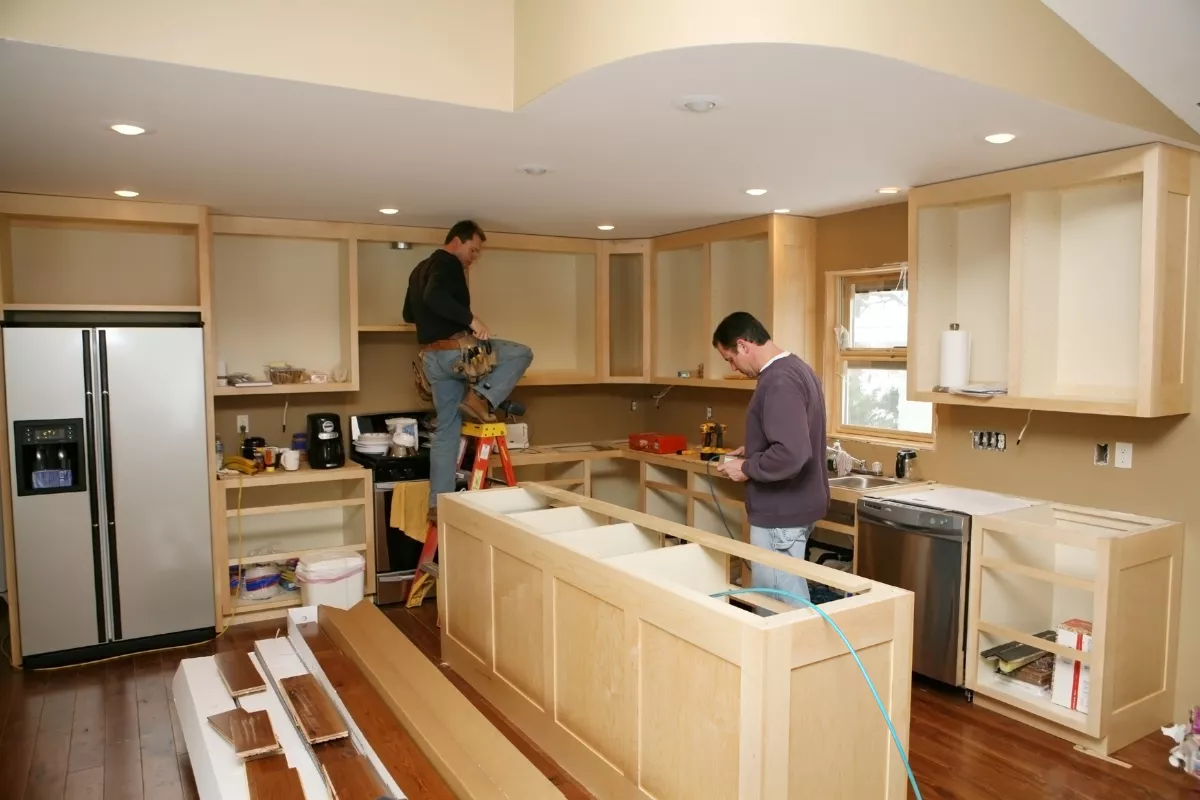
Remodeling your kitchen is exciting, but before choosing cabinets or layouts, ask: Do you need permits? The answer depends on your project and local rules, but getting it right is key for safety, legality, and home value. This quick guide, with insights from experts like RR Improvement and Sweeten, explains when permits are required, why they matter, and how to get them, so your remodel runs smoothly from start to finish. Let’s get cooking!
Why Permits Are Essential for Your Kitchen Remodel
Permits might feel like extra red tape, but they’re essential for a safe, code-compliant kitchen remodel. They help prevent hazards like electrical fires and plumbing leaks, with inspections ensuring the work meets modern safety standards. Skipping permits can lead to fines, costly repairs, or trouble when selling, buyers may walk away if work wasn’t approved.
Permits also enforce accountability. Inspectors help catch mistakes before they become problems. One Boston homeowner who skipped electrical permits ended up paying for fire damage. Bottom line: permits protect your investment and your peace of mind.
{Start your kitchen remodel now}
When Are Permits Required for a Kitchen Remodel?
Not every kitchen remodel needs a permit, but most significant changes do. The need depends on the work involved and local rules, which vary across the U.S. Below, we outline common scenarios requiring permits, drawing from RR Improvement and Sweeten.
-
Structural Changes
If you’re knocking down walls, adding new ones, or altering load-bearing structures, you’ll likely need a permit. These changes impact your home’s stability, and local authorities, like those enforcing the Massachusetts State Building Code, require permits to ensure safety. For instance, a Los Angeles homeowner who removed a wall without a permit faced a $1,000 fine and delays to secure retroactive approval. Always submit detailed plans to your local building department to confirm compliance.
-
Plumbing Work
Moving a sink, installing a dishwasher, or adding water lines typically requires a plumbing permit. These changes affect your home’s plumbing system, and improper work can cause leaks or contamination. In New York City, the Department of Buildings mandates permits for relocating fixtures. A Chicago homeowner learned this the hard way when unpermitted sink relocation led to costly retrofits during a home sale. Check with your local authorities or a licensed contractor to navigate plumbing permits.
-
Electrical Work
Electrical work beyond swapping fixtures, like adding outlets, rewiring, or upgrading panels, requires a permit. Electrical codes, such as the National Electrical Code, ensure safety to prevent fires or shocks. In Boston, a DIYer’s unpermitted outlet installation led to a costly rewire after an inspector flagged it. Hire a licensed electrician and secure permits to keep your project safe and compliant.
-
Gas Line Changes
If your kitchen uses gas for cooking, moving or adding gas lines requires a permit due to risks like leaks or carbon monoxide poisoning. In cities like Boston and Los Angeles, gas line work is heavily regulated. A Dallas homeowner faced a $500 fine and a stop-work order for unpermitted gas stove relocation. A licensed contractor can help ensure compliance with local gas regulations.
-
New Windows or Doors
Installing or modifying windows and doors often requires a permit, as these changes affect structural integrity and energy efficiency. In Boston, the Boston Building Department requires permits for window replacements to meet energy codes. An Atlanta homeowner faced penalties for unpermitted window upgrades during an energy audit. Verify local requirements before starting such work.
-
Replacing Cabinets or Countertops
Swapping cabinets or countertops in the same footprint usually doesn’t require a permit, as it’s cosmetic. However, if the work involves plumbing or electrical changes, like adding under-cabinet lighting, a permit may be needed. In Massachusetts, the 780 CMR code often exempts simple replacements, but always confirm locally. A New York homeowner needed a permit when cabinet replacement included new outlets, as noted by Sweeten.
{Start your kitchen remodel now}
Gray Areas: When Permits Might Not Be Needed
Cosmetic updates like painting, installing a backsplash, or replacing appliances using existing hookups often don’t require permits. For example, in Los Angeles, new flooring typically doesn’t need a permit unless the subfloor is altered. In Boise, a homeowner painted their kitchen and added a backsplash without permits, but moving an outlet later required one. Always check with your local building department to confirm exemptions, as rules vary.
Risks of Skipping Permits
Skipping permits might save time upfront, but the consequences can be costly:
-
Fines and Penalties: Unpermitted work can lead to fines of $100–$1,000 in Massachusetts. A Boston homeowner paid $750 for unpermitted plumbing.
-
Stop-Work Orders: Inspectors can halt your project, causing delays and extra costs.
-
Insurance Issues: Unpermitted work may void insurance claims, like a fire from faulty wiring.
-
Resale Complications: Unpermitted upgrades can lower your home’s value or scare off buyers. A Chicago homeowner lost $10,000 on their sale price due to unpermitted work.
-
Safety Risks: Without inspections, faulty work can endanger your family.
How to Secure a Kitchen Remodel Permit
Obtaining a permit is straightforward with the right steps. Here’s how, inspired by RR Improvement:
-
Contact Your Local Building Department: Visit or check online resources from offices like the Framingham Building Department for permit details.
-
Submit Your Application: Provide plans, blueprints, or specifications. Contractors can assist with documentation.
-
Pay the Fee: Fees range from $100–$500, depending on location and scope. Boston fees are often higher than in smaller towns.
-
Schedule Inspections: Arrange inspections at key stages, with the permit card posted at the site.
-
Final Inspection: A final check ensures compliance, closing the permit.
A licensed contractor can streamline this process, handling paperwork and ensuring compliance.
Permit Costs and Considerations
Permit costs vary by project and location. In Massachusetts, fees typically range from $100–$500, with urban areas like Boston on the higher end. Factors include:
-
Project Size: Larger remodels cost more.
-
Complexity: Plumbing and electrical permits are pricier due to specialized inspections.
-
Location: Fees in cities like Boston exceed those in smaller towns like Amherst.
For example, a Boston structural and electrical permit cost $450, while a similar project in Framingham was $200. Check local fee schedules for accuracy.
{Start your kitchen remodel now}
Regional Differences in Permit Requirements
Permit rules vary across the U.S. Boston’s strict regulations and higher fees (often over $500) contrast with simpler processes in smaller towns like Amherst, where fees may be $100. For example, Boston requires energy-efficient specs for windows, while rural areas may not. Research local rules to budget and plan effectively.
Conclusion: Remodel with Confidence
From classic laps to textured shakes, vinyl siding offers endless ways to enhance your home’s look and value. Assess your style, consult local experts, and prioritize durability for your climate.
Ready to elevate your exterior? Contact Dynamic Home Renovations today for expert siding installation, personalized design recommendations, and durable materials tailored to your home’s style and local conditions. Let our experienced team turn your vision into a beautiful, long-lasting reality.
{Start your kitchen remodel now}