
If you’re preparing to list your property, one question almost always surfaces first: is a home renovation before selling actually worth the investment — or are you throwing money at a house you’re about to leave behind?
It’s one of the most practical questions in real estate, and the answer isn’t a simple yes or no. The right home renovation can mean thousands of extra dollars at closing, faster offers, and fewer negotiations. The wrong one can drain your budget without moving the needle at all. Understanding the difference is where smart sellers gain their edge.
Why the right home renovation changes everything
Today’s buyers are busy, discerning, and often unwilling to take on major projects. Industry research shows that more than 56% of current homebuyers prefer move-in-ready properties — homes that require little to no immediate work. When your listing fits that profile, it naturally rises above the competition.
A well-executed home renovation signals to buyers that the property has been maintained and cared for. It reduces anxiety about hidden issues, holds up better during inspections, and invites stronger, faster offers. In competitive markets, updated homes routinely trigger bidding wars — often recouping renovation costs many times over.
The ROI reality: What the numbers actually say
Before committing to any home improvement project, return on investment (ROI) should drive every decision. Most large-scale remodels recoup only 65–75% of their total costs. But targeted, strategic upgrades — particularly in high-visibility rooms — consistently outperform that baseline.
A widely accepted industry guideline — known as the 30% rule — recommends that sellers avoid spending more than 30% of their home’s current value on pre-sale renovations. On a $350,000 home, that caps your home improvement budget at $105,000. Exceeding that threshold risks over-improving for your neighborhood, making it difficult to recoup the investment when you close.
Kitchen remodeling: The highest-ROI room in the house
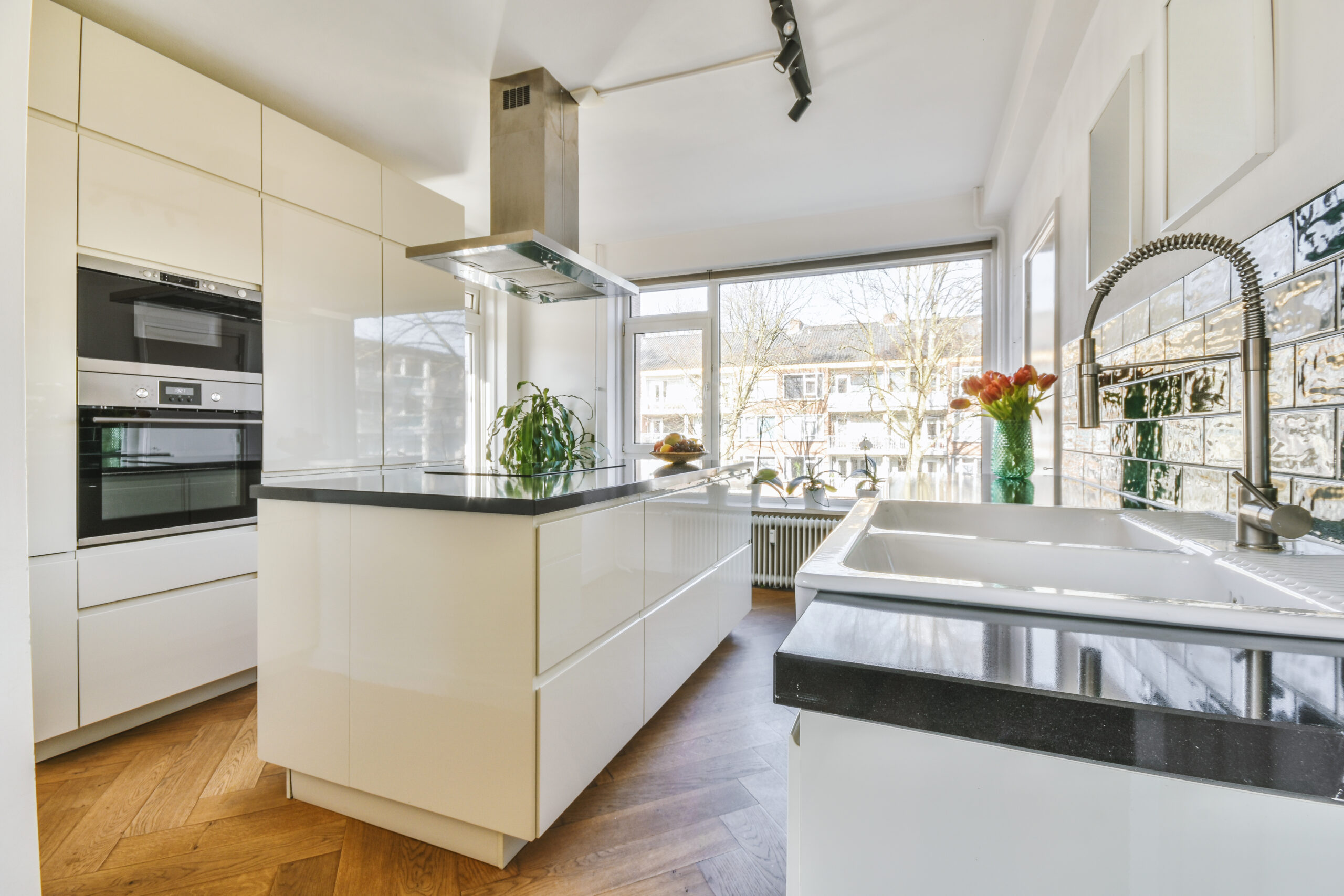
Kitchens sell houses. It’s a cliché in real estate precisely because it’s true — and the data backs it up. Kitchen remodeling consistently ranks as the single most impactful interior home renovation a seller can undertake. The catch? A full gut renovation rarely outperforms a strategic, targeted update.
A major kitchen overhaul — new layout, custom cabinetry, luxury appliances — can run anywhere from $29,000 to $64,000 and often returns less than 70% of those costs. A minor kitchen remodeling project, by contrast, typically costs $10,000–$27,000 and delivers an average ROI of 113% in 2025. Done right, a refreshed kitchen can return more than you put in.
Where to focus in the kitchen
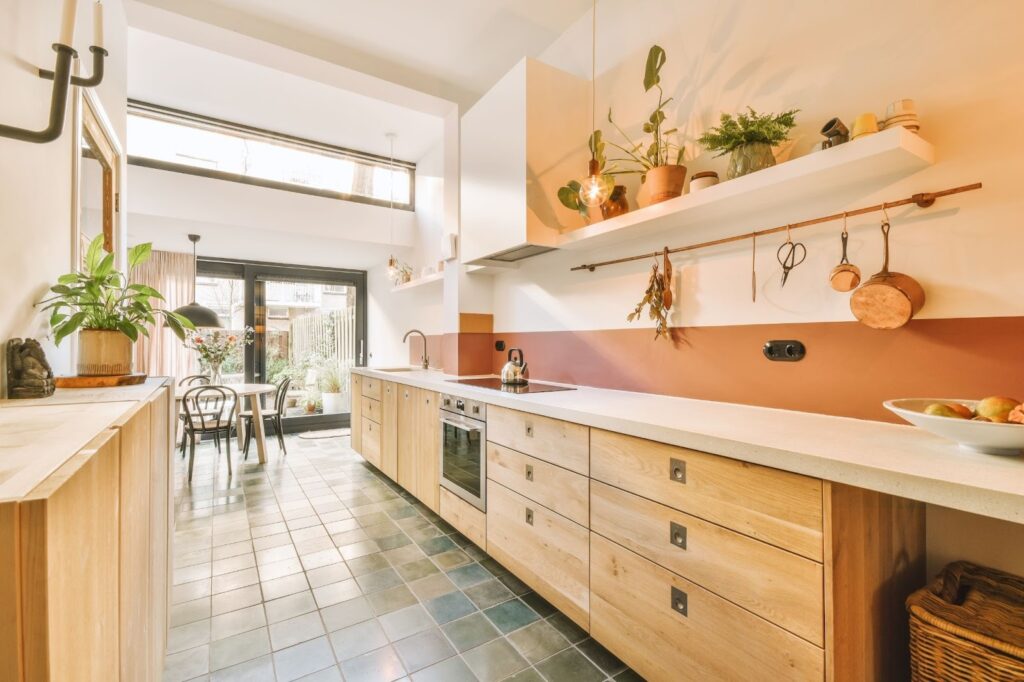
Cabinet refacing or repainting: New doors or a fresh coat of paint on existing cabinet boxes creates a dramatic visual transformation at a fraction of replacement cost.
Updated countertops: Quartz and granite remain the most sought-after choices. Replacing dated laminate surfaces makes an immediate, lasting impression on buyers.
New appliances: Energy-efficient stainless steel models signal modernity and care — two things buyers specifically look for during walkthroughs.
Tile backsplash and lighting fixtures: Inexpensive, high-visibility upgrades that fundamentally change how the room feels.
Cabinet hardware: Swapping outdated knobs and drawer pulls is one of the cheapest, highest-impact moves in any kitchen remodeling project.
Every outdated surface or broken fixture gives a buyer a reason to offer less. Updated finishes take those objections off the table.
Bathroom remodeling: Small updates, surprisingly big returns
Bathrooms are the second most scrutinized space in any home sale. Buyers walk in, form an immediate impression, and that impression sticks. A dated, worn bathroom quietly undermines confidence in the entire property — even when everything else looks sharp.
The good news is that bathroom remodeling doesn’t have to be expensive to be effective. The national average bathroom renovation runs around $12,000, and a midrange project returns approximately 60–74% of costs. Bathroom overhauls often perform returning around 49%.

High-impact bathroom upgrades
Double vanity: Research consistently shows that 86% of buyers prefer a double vanity. If your floor plan supports it, this single upgrade can meaningfully shift buyer perception.
Updated fixtures and hardware: Replace dated brass or chrome with brushed nickel, matte black, or satin gold. The investment is minimal; the visual upgrade is significant.
Rainfall showerhead: An affordable luxury that projects quality and attention to detail without a major remodel.
Refreshed countertops: Swapping a tiled vanity top for quartz or marble instantly modernizes the space.
Walk-in shower: Particularly valuable in markets with a broad buyer demographic — it pairs accessibility with high-end aesthetics.
Thoughtful bathroom remodeling communicates that the home has been looked after. Buyers notice the details — and they price their offers accordingly.
When skipping the renovation is the smarter move
Home renovation isn’t always the right path forward. In fast-moving markets where inventory is tight and homes are selling quickly above asking price, a well-priced “as-is” listing can perform just as well — or better. House flippers and investment buyers actively seek unrenovated properties with strong bones, and they’re prepared to pay competitive prices for them.
If your timeline is pressing or a renovation would create financial strain, focus your energy on what’s free: deep cleaning, aggressive decluttering, and thoughtful staging. Industry data suggests that a professional-level deep clean delivers a disproportionate return relative to its cost — sometimes yielding returns in the thousands of percent by improving buyer perception without a single structural change.
Partner with remodeling contractors who know the market
Even the best renovation plan fails without the right execution. Experienced, licensed remodeling contractors bring something beyond skilled labor — they understand which upgrades resonate with buyers in your specific market and which ones don’t move the needle. Before any project breaks ground, collect at least three quotes, verify licensing and insurance, and request references from recent projects.
The right remodeling contractors will also help you stay within budget, avoid over-improvements, and complete the work on a timeline that supports your listing schedule. In pre-sale home renovation, time is genuinely money — and delays cost sellers in carrying costs, mortgage payments, and missed market windows.
Ready to maximize your home’s value?
Whether you’re planning kitchen remodeling, a bathroom refresh, or a full home renovation strategy before selling, our team will identify the exact upgrades that deliver the highest return for your property.