
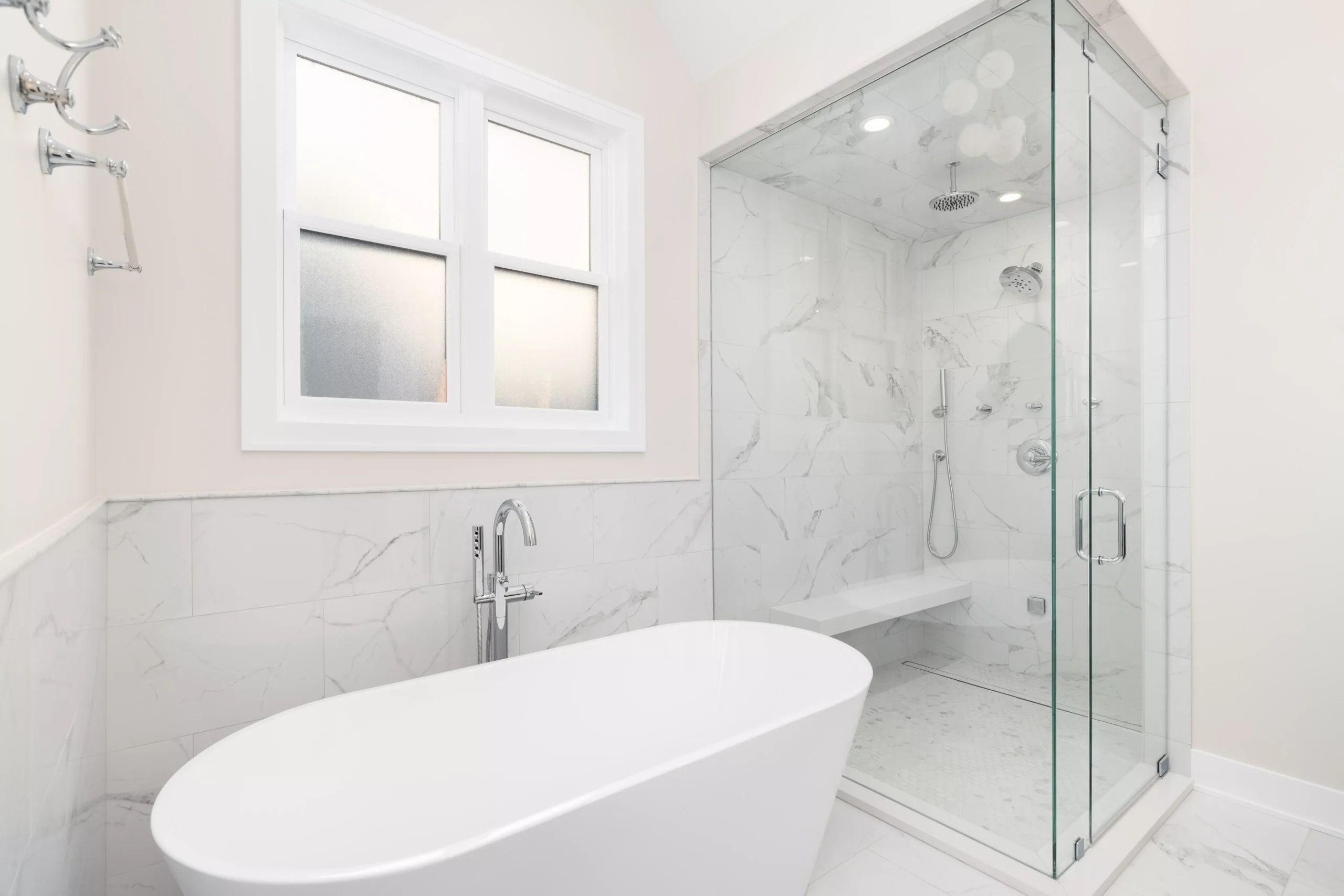
Choosing between a walk-in shower and a bathtub is like deciding between a quick, refreshing sprint or a leisurely soak—both have their charm, but the right choice depends on your lifestyle, budget, and space. When I remodeled my bathroom, I swapped an old tub for a walk-in shower to modernize the space, but I missed those rare, relaxing baths after a long week. The decision wasn’t easy, and I learned it’s not one-size-fits-all. Walk-in shower vs. bathtub pros and cons breaks down the benefits and drawbacks of each, drawing from my experience and 2025 home improvement trends. Whether you’re renovating for daily use, resale value, or accessibility, this guide will help you weigh your options and pick the perfect fit. Let’s dive into the details and find your bathroom’s best match.
What Are Walk-In Showers and Bathtubs?
- Walk-In Shower: A shower without a high threshold, often with glass doors or open designs, built for easy access and a sleek, modern look. Features may include rainfall heads, benches, or grab bars. Common in contemporary homes and accessible designs.
- Bathtub: A basin for soaking, available as standalone, alcove, or whirlpool models. Standard sizes are 5-6 feet long, often combined with a showerhead for versatility.
Both can elevate a bathroom, but their functionality, cost, and appeal differ significantly. A 2025 National Association of Home Builders report notes that 60% of homeowners prefer showers for daily use, yet tubs retain value for families and resale.
Pros and Cons of Walk-In Showers
Pros of Walk-In Showers
- Accessibility: No step-over makes them ideal for aging-in-place, disabilities, or mobility issues. Grab bars and benches enhance safety. My elderly parent found my walk-in shower a game-changer—no tripping hazards.
- Space Efficiency: Fits smaller bathrooms (3×3 feet minimum) and creates an open, airy feel, especially with glass enclosures. My 5×8-foot bathroom felt twice as large after the swap.
- Easy Maintenance: Fewer crevices than tubs; glass coatings reduce soap scum. Cleaning my shower takes 10 minutes versus 20 for a tub.
- Modern Aesthetic: Sleek designs (e.g., frameless glass, tile) boost appeal. 2025 trends show 70% of renovated bathrooms favor showers for style.
- Water Efficiency: Showers use 10-25 gallons per use vs. 30-50 for tubs, saving on water bills (up to $100/year in high-use homes).
- Customization: Add rainfall heads, body jets, or niches. I installed a $200 rainfall head that feels spa-like.
Cons of Walk-In Showers
- No Soaking: No option for full-body immersion, a dealbreaker for bath lovers. I missed soaking after long hikes.
- Higher Installation Cost: Custom showers cost $3,000-$10,000 (vs. $1,000-$5,000 for tubs), especially with premium tiles or glass. My 4×4-foot shower cost $4,500.
- Resale Impact: Families with kids often prefer tubs. A 2025 Zillow study found homes with tubs sell 5% faster in family-oriented markets.
- Water Splashing: Open designs can leak without proper sloping or doors. My first week saw wet floors until I adjusted the drain pitch.
- Chill Factor: No enclosure traps heat—colder in winter unless you add steam features ($1,000+).
Pros and Cons of Bathtubs
Pros of Bathtubs
- Relaxation: Perfect for soaking, stress relief, or therapeutic baths (e.g., Epsom salts). My friend swears by her weekly bubble bath ritual.
- Family-Friendly: Essential for bathing kids or pets. A neighbor’s toddler made tub time a daily necessity.
- Versatility: Combo tub-showers serve both functions. Most standard tubs include showerheads, doubling utility for $100-$300 extra.
- Lower Cost: Basic alcove tubs start at $500-$1,500 installed; even high-end clawfoots ($2,000-$5,000) are cheaper than custom showers.
- Resale Value: Appeals to families and traditional buyers. Homes with at least one tub sell for 3-7% more in suburban markets per 2025 data.
- Warmth Retention: Enclosed tubs keep water warm longer, ideal for long soaks.
Cons of Bathtubs
- Accessibility Issues: High sides (14-20 inches) pose risks for elderly or mobility-challenged users. My parent struggled with our old tub’s step-over.
- Space Hog: Standard tubs (5×2.5 feet) eat up small bathrooms, making them feel cramped. My 60-square-foot bath felt claustrophobic pre-remodel.
- Cleaning Hassle: Deep basins and corners collect grime; scrubbing takes longer. My old tub needed 20-30 minutes weekly.
- Water Usage: Fills use 30-50 gallons, raising water bills (10-20% higher than showers in high-use homes).
- Dated Aesthetic: Older tubs (e.g., 1980s acrylic) can look outdated without upgrades. My beige tub screamed “retro” in a bad way.
Key Considerations for Choosing
Lifestyle and Needs
- Showers suit: Busy professionals, accessibility-focused homes, or those prioritizing quick routines. My daily 5-minute showers fit my hectic schedule.
- Tubs suit: Families, bath enthusiasts, or homes with multiple bathrooms (one tub, one shower balances needs).
Budget
- Showers: $3,000-$10,000 for custom installs; prefabricated units drop to $1,500-$3,000. My custom shower hit $4,500 but added value.
- Tubs: $500-$5,000, with combo units at $1,000-$3,000. Budget-friendly for quick upgrades.
Space
- Small bathrooms (<60 square feet): Walk-in showers maximize space. My 5×8-foot bath opened up with a corner shower.
- Large bathrooms (>100 square feet): Tubs, especially freestanding, add luxury without crowding.
Resale Value
- Market matters: In family-heavy suburbs, keep one tub. Urban or senior-friendly markets favor showers. Check local comps—my area’s buyers wanted showers for modern appeal.
- Balance: If you have multiple bathrooms, convert one to a shower but keep a tub elsewhere. Homes with both sell 10% faster per 2025 Realtor data.
Accessibility
- Showers: Zero-threshold designs are ADA-compliant, ideal for aging-in-place. Add a bench for $200-$500.
- Tubs: Walk-in tubs ($3,000-$8,000) help, but standard tubs are less accessible.
Cost and Installation Breakdown
For a 5×8-foot bathroom:
- Walk-In Shower:
- Cost: $1,500-$10,000 (prefab vs. custom). Materials: $500-$3,000 (tile, glass); labor: $1,000-$5,000.
- Time: 2-5 days. My shower took 3 days with pro help.
- Bathtub:
- Cost: $500-$5,000 (alcove vs. freestanding). Materials: $200-$2,000; labor: $300-$3,000.
- Time: 1-3 days. A combo unit installs in a day.
DIY Savings: Tubs are easier for DIY (save 30-50%); showers require plumbing/tile skills. I hired a pro for my shower’s waterproofing—$1,000 well spent.
Maintenance Tips
- Showers:
- Wipe glass weekly to prevent scum (use squeegee, $10).
- Regrout/recaulk every 2-3 years ($50-$100).
- Check drain slope to avoid pooling.
- Tubs:
- Scrub weekly with non-abrasive cleaner ($5).
- Recaulk annually ($20) to prevent leaks.
- Inspect for cracks in acrylic/fiberglass models.
Common Mistakes to Avoid
- Showers:
- Poor drainage: Ensure 1/4-inch slope per foot. My first shower pooled—fixed with a $200 drain tweak.
- Cheap glass: Thin panels crack; spend $500+ for 3/8-inch tempered glass.
- Tubs:
- Ignoring weight: Freestanding tubs need floor reinforcement ($500-$1,000).
- Skipping combo: A showerhead adds versatility for $100.
- Both: Overlooking ventilation—install a fan ($200) to prevent mold.
When to Choose Each
- Choose a Walk-In Shower:
- Small bathrooms or modern designs.
- Accessibility needs (aging, disabilities).
- Urban markets or single/couple households.
- Example: My shower added $5,000 to my home’s value in a trendy area.
- Choose a Bathtub:
- Family homes or kid-friendly markets.
- Large bathrooms or luxury upgrades.
- Bath lovers or traditional aesthetics.
- Example: A friend’s tub-shower combo sold their home 7% above asking to a family.
Combining Both: The Hybrid Option
Can’t decide? A tub-shower combo offers the best of both:
- Cost: $1,000-$3,000 installed.
- Space: Fits 5×3 feet, versatile for most bathrooms.
- Pros: Dual functionality, broad appeal, cost-effective.
- Cons: Less luxurious than a standalone tub or large shower.
- Example: A neighbor installed a combo for $1,500, pleasing both kids and buyers.
Wrapping Up: Shower or Tub—Your Perfect Fit
Walk-in shower vs. bathtub pros and cons hinges on your needs: showers for accessibility, style, and efficiency; tubs for relaxation, families, and resale in traditional markets. Start small—check your bathroom’s dimensions and local market trends to decide. If you’re torn, a combo unit might be your sweet spot. Your bathroom should reflect how you live and boost your home’s value.
Got a specific bathroom layout or user in mind? Share in the comments; I’d love to tailor advice. Save this guide for your remodel or share with your reno crew. Here’s to a bathroom that’s functional, stylish, and just right for you!