
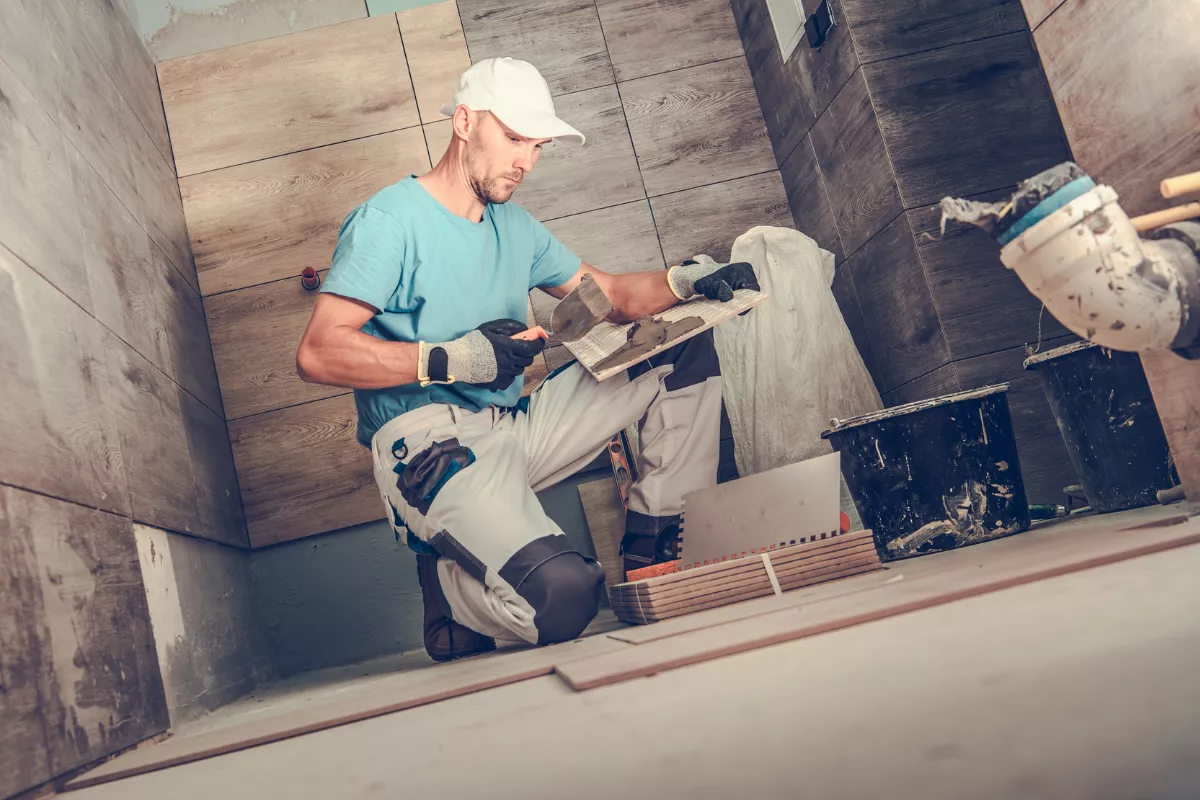
This comprehensive guide covers all the essential materials needed for a bathroom remodel, blending practical advice with creative inspiration. Whether you’re a first-time renovator or a seasoned DIYer, you’ll find the insights and tools to plan, budget, and execute your project with confidence. From tiles to toilets, we’ll walk you through every step, drawing expert tips from trusted sources like Erin Zubot Design and Mr. Handyman.
Consider this your go-to resource for making informed choices, avoiding costly mistakes, and bringing your vision to life, beautifully and efficiently. Let’s get started!
Planning Your Bathroom Remodel: Setting the Stage
Before choosing tiles or faucets, start with a solid plan. Like mapping a road trip, you need a clear destination, a realistic budget, and room for detours. Define your goals, are you creating a spa-like retreat with a freestanding tub, or a compact, accessible space with smart storage? Your vision will shape your material choices.
Evaluate your current layout: is it too cramped, poorly lit, or awkwardly arranged? List problem areas and must-have features, such as a walk-in shower or double vanity. If layout changes feel overwhelming, an interior designer can help, Erin Zubot, for instance, repositioned a tub to expand the shower area with great success. Once you sketch a rough layout, you can start sourcing materials, keeping in mind that typical remodels cost between $5,000–$10,000, according to Mr. Handyman, with luxury upgrades pushing higher.
Core Materials for Your Bathroom Remodel
The materials you choose will define both the look and durability of your bathroom. Below, we break down the essential categories, ensuring you have a clear understanding of what’s needed and how to select the best options for your project.
-
Flooring: The Foundation of Style and Function
Your bathroom floor sets the tone for the space, balancing aesthetics with practicality. Tiles are a popular choice due to their durability and water resistance. Ceramic or porcelain tiles are budget-friendly yet versatile, available in countless colors and patterns, from classic subway tiles to intricate mosaics. For a touch of luxury, consider natural stone like marble or slate, though these require more maintenance. Erin Zubot’s kid’s bathroom used affordable subway tiles paired with black pencil tiles for a timeless look, proving you don’t need to break the bank for style.
Beyond tiles, consider waterproof vinyl planks for a wood-like appearance that’s easier to maintain. If you’re adding underfloor heating, a luxurious touch, ensure your flooring material is compatible. Don’t forget underlayment, like Kerdi, to prevent water damage. Budget for thin-set, grout, spacers, and tools like trowels for installation. A good rule of thumb is to allocate $500–$1,500 for flooring, depending on the size and material quality.
-
Walls and Waterproofing: Protecting Your Investment
Bathroom walls need to withstand moisture while contributing to the room’s aesthetic. Tiles are a go-to for shower and tub surrounds, with options ranging from glossy ceramics to textured natural stone. For non-wet areas, consider shiplap, beadboard, or wallpaper for a cozy, traditional vibe. Waterproofing is non-negotiable for wet areas, systems like Kerdi or cement board ensure your walls stay mold-free. Mr. Handyman emphasizes the importance of vapor barriers and proper caulking to seal gaps.
If you’re painting, choose moisture-resistant paint to prevent peeling. For a bold statement, wallpaper with floral or geometric patterns can add personality, but ensure it’s rated for high-moisture environments. Expect to spend $300–$1,000 on wall materials, including tiles, waterproofing, and paint.
-
Plumbing Fixtures: The Heart of Functionality
Plumbing fixtures, like sinks, faucets, showers, and toilets, are where form meets function. A single or double sink, paired with a stylish faucet, can elevate your vanity area. Freestanding tubs or walk-in showers are popular for creating a spa-like feel, but they require specific fittings like drains, spouts, and control valves. arns that fixtures often need matching rough-in valves, so double-check compatibility with your plumber to avoid costly mistakes.
Toilets range from basic models to high-end options with heated seats or bidet functions. For showers, consider adding body sprayers or a rainfall showerhead for luxury. Budget $1,000–$3,000 for fixtures, depending on whether you opt for standard or premium brands like Kohler or Delta. Always order these early, as lead times can stretch 6–8 weeks.
-
Vanity and Countertops: Style Meets Storage
The vanity is the centerpiece of your bathroom, offering both storage and style. Options range from custom-built units to pre-made vanities in materials like wood or metal. Pair your vanity with a countertop, quartz and granite are durable and popular, though custom stone can take 3–4 weeks to fabricate. For a budget-friendly option, reface an existing vanity with new hardware or paint.
Mirrors, whether a sleek statement piece or a practical medicine cabinet, complete the vanity area. Budget $500–$2,000 for a vanity and countertop, factoring in installation costs.
-
Lighting and Electrical: Brightening Your Space
Lighting transforms a bathroom’s ambiance and functionality. Recessed lights, sconces, or pendant fixtures can create a warm, inviting glow. Mr. Handyman recommends dimmer switches for flexibility and underfloor heating for comfort. Ensure your electrician accounts for plug-ins, like one inside the vanity for hair tools or near the toilet for a smart seat.
A bathroom fan is essential for ventilation, preventing mold and mildew. Budget $200–$800 for lighting, fans, and electrical materials, including wiring and cover plates.
-
Finishing Touches: Personalizing Your Space
The final layer of your remodel is where personality shines. Moulding, like baseboards or crown moulding, adds architectural charm. Towel holders, toilet paper holders, and hooks keep things organized. Door hardware, window treatments, and decor like art or plants tie the room together. For inspiration,use of vintage mirrors and brass sconces creates a timeless, elegant look.
Consider eco-friendly touches, like low-VOC paints or water-saving fixtures. These small details can cost $200–$1,000 but make a big impact on the room’s feel.
{Contact us}
Budgeting and Ordering: Keeping Costs in Check
Creating a budget is like building a roadmap for your remodel. Start with ballpark estimates for each material category, refining as you get quotes from contractors or suppliers. Using a printable checklist or budgeting tool can help you track expenses, while it’s wise to allocate extra funds for permits, demolition, and unexpected issues like subfloor repairs or plumbing surprises. Total costs can range from $5,000 for a basic refresh to $20,000 for a luxury overhaul.
Order materials early to avoid delays, especially for custom items like vanities or specialty tiles. Check shipping times and ensure all components, like faucet handles or shower valves, are included. If you’re working with a contractor, they’ll appreciate having everything on-site to keep the project on track.
Scheduling Your Remodel: Timing Is Everything
A well-planned timeline keeps your remodel on track. Start with demolition, followed by framing and rough-in work for plumbing and electrical. Next, install drywall, waterproofing, and a first coat of paint. Tile the shower and floor, then add the vanity, countertop, and fixtures. Finish with a second coat of paint, lighting, and decor. A DIY-friendly approach might involve scheduling tasks around weekends or available time slots, while a professional remodel should coordinate trades like plumbers and electricians with material delivery timelines to keep the project on track.
Anticipate obstacles, like fitting a new tub through the door or scheduling inspections. A typical remodel takes 4–8 weeks, depending on complexity and contractor ROS
Conclusion: Your Dream Bathroom Awaits
With the right materials and a solid plan, your bathroom remodel can transform your space into a haven of comfort and style. Start by assessing your layout, dreaming up your design, and carefully selecting materials that balance beauty and durability. Budget wisely, order early, and schedule tasks logically to keep your project on track. Whether you’re adding a touch of luxury with radiant floors or keeping it simple with fresh paint and fixtures, every choice brings you closer to your vision.
Ready to make your dream bathroom a reality? Start your bathroom remodel now and turn your space into a sanctuary you’ll love for years to come!
{Start your bathroom remodel today}