
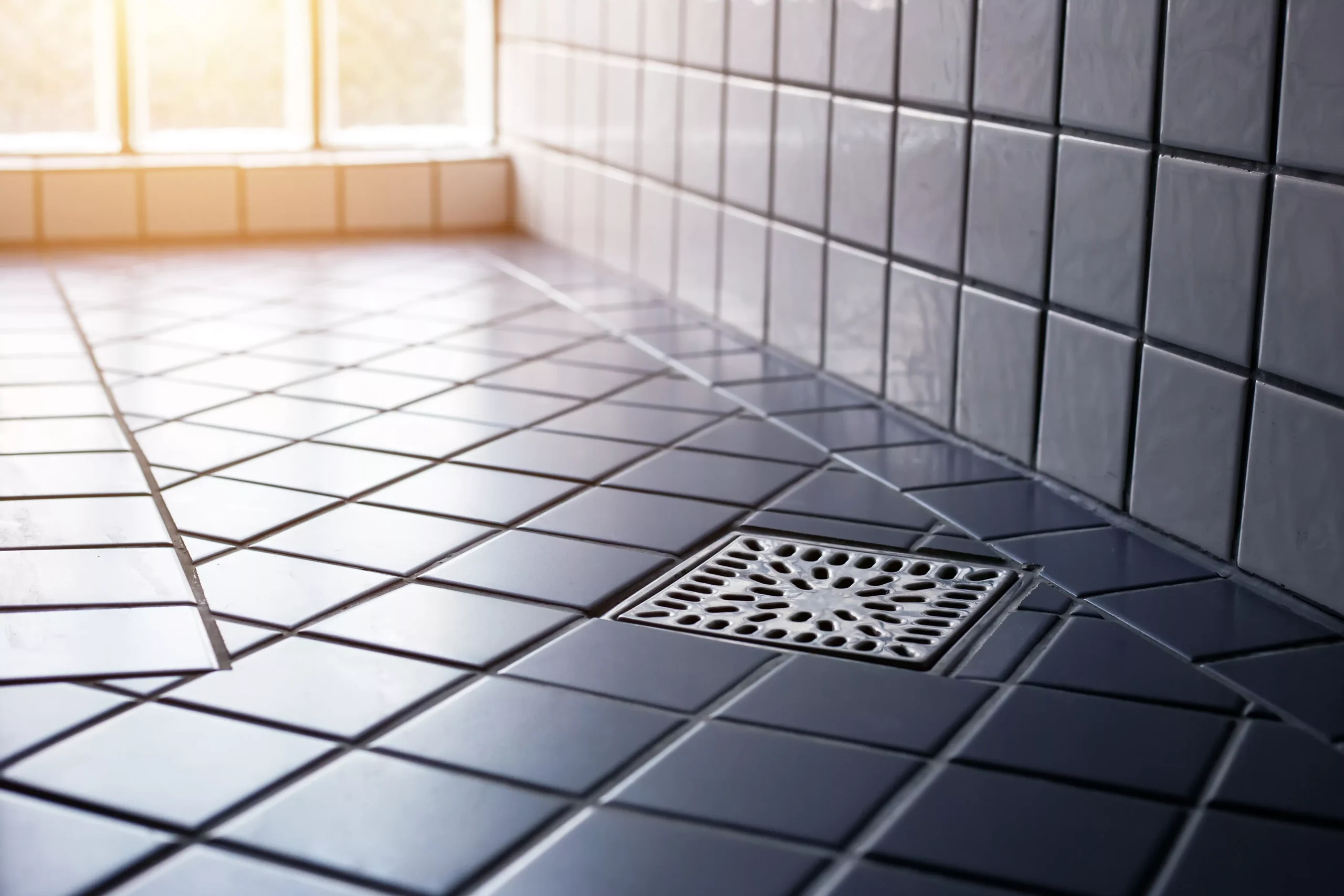
Choosing the right bathroom flooring is like picking the perfect foundation for a house—it needs to be durable, stylish, and practical for daily wear and tear. When I remodeled my bathroom, I swapped out dated linoleum for porcelain tile, thinking it was a no-brainer, only to realize its cold surface and tricky installation weren’t ideal for my chilly mornings and DIY skills. That lesson taught me to weigh options carefully. Bathroom flooring options pros and cons breaks down the most popular choices—ceramic/porcelain tile, vinyl, natural stone, waterproof laminate, and cork—using my experience and 2025 home improvement trends. Whether you’re renovating for comfort, resale, or budget, this guide will help you find the perfect fit for your bathroom’s needs. Let’s explore the options to create a floor that’s as functional as it is fabulous.
Why Bathroom Flooring Matters
Bathroom floors face unique challenges: constant moisture, spills, foot traffic, and the need for easy cleaning. A 2025 National Association of Home Builders report notes that 80% of buyers prioritize durable, water-resistant flooring in bathrooms, and the right choice can boost home value by 3-5%. Picking the wrong material, though, can lead to mold, warping, or costly repairs. My linoleum mistake cost $500 to replace when water seeped under it—proper research could’ve saved me.
Key factors to consider:
- Water resistance: Essential to prevent damage.
- Durability: Must withstand humidity and traffic.
- Comfort: Warmth and slip resistance matter.
- Budget: Costs range from $1-$20 per square foot.
- Aesthetics: Should match your style and home value.
Top Bathroom Flooring Options: Pros and Cons
Here’s a detailed look at five popular bathroom flooring materials, with pros, cons, costs, and real-world insights for a 50-square-foot bathroom.
1. Ceramic or Porcelain Tile
The go-to for bathrooms, known for durability and style.
- Pros:
- Waterproof: Porcelain is nearly impervious (<0.5% water absorption), perfect for wet areas.
- Durable: Lasts 20-50 years, resists scratches and stains.
- Versatile: Endless colors, patterns (e.g., wood-look), and sizes. My 12×12-inch porcelain tiles mimicked marble for $200.
- Resale Appeal: 2025 Zillow data shows tiled bathrooms boost sale prices by 4%.
- Easy to Clean: Wipe with mild cleaner; grout sealing prevents mold.
- Cons:
- Cold and Hard: Chilly underfoot without radiant heating ($500-$1,000 extra).
- Slippery When Wet: Needs textured or small tiles for grip. I added non-slip coating for $30.
- Installation Complexity: Cutting and grouting require skill. My DIY took 2 days; pros do it in 1.
- Grout Maintenance: Needs resealing every 1-2 years ($20-$50).
- Cost: $3-$15 per square foot (materials); $5-$10 per square foot (labor). Total: $400-$1,250.
- Best For: High-traffic bathrooms, modern designs, long-term durability.
Example: My porcelain tile floor looks sleek and handles spills, but I wish I’d budgeted for underfloor heating.
2. Vinyl (Sheet, Plank, or Tile)
Affordable and versatile, vinyl is a budget-friendly favorite.
- Pros:
- Water-Resistant: 100% waterproof when sealed properly, ideal for splash zones.
- Affordable: $1-$5 per square foot (materials); $2-$5 labor. Total: $150-$500.
- Comfortable: Softer and warmer than tile. My friend’s vinyl plank floor feels cozy barefoot.
- Easy Installation: Click-lock planks or peel-and-stick tiles are DIY-friendly (1 day for 50 square feet).
- Low Maintenance: No grout; sweep and mop. Seams need occasional resealing ($20).
- Cons:
- Durability: Lasts 10-20 years; prone to scratches or tears in heavy traffic.
- Resale Value: Seen as less premium; may not impress luxury buyers.
- Seam Issues: Poorly sealed seams can lift or trap water. My old linoleum failed here.
- Environmental Concern: PVC-based; off-gassing possible with low-quality brands.
- Best For: Budget remodels, rentals, or DIY projects.
Example: A neighbor’s luxury vinyl plank (LVP) mimicked hardwood for $200—stunning but scratched after a year.
3. Natural Stone (Marble, Slate, Travertine)
Luxurious and timeless, but high-maintenance.
- Pros:
- Stunning Aesthetic: Unique veining and textures elevate luxury bathrooms. My friend’s marble floor screams elegance.
- Durable: Lasts decades with care; resists wear if sealed.
- High Resale Value: Adds 5-7% to home value in upscale markets (2025 Realtor data).
- Natural Appeal: Eco-friendly, no synthetic materials.
- Cons:
- Expensive: $5-$20 per square foot (materials); $5-$15 labor. Total: $500-$1,750.
- High Maintenance: Needs sealing every 6-12 months ($50-$100). Marble stains easily without care.
- Slippery: Polished finishes are slick when wet; honed or textured is safer but pricier.
- Heavy: May require floor reinforcement ($500-$1,000).
- Best For: Luxury homes, master bathrooms, low-traffic spaces.
Mistake I Saw: A client skipped sealing their slate floor—stains appeared in months. Budget for upkeep.
4. Waterproof Laminate
A wood-look option with improved moisture resistance.
- Pros:
- Water-Resistant: Modern laminates (e.g., Pergo) resist spills with sealed edges.
- Warm and Stylish: Mimics hardwood for cozy aesthetics. My cousin’s laminate floor looks like oak for $300.
- Affordable: $2-$7 per square foot (materials); $3-$6 labor. Total: $250-$650.
- DIY-Friendly: Click-lock systems install in 1-2 days.
- Cons:
- Not Fully Waterproof: Prolonged water exposure can warp edges. Avoid standing water.
- Moderate Durability: Lasts 10-15 years; scratches easier than tile.
- Resale Neutral: Less premium than tile or stone; doesn’t wow buyers.
- Noise: Can sound hollow without underlayment ($50-$100).
- Best For: Budget-friendly wood looks, moderate-traffic bathrooms.
Example: My cousin’s laminate held up well but needed quick spill cleanup to avoid swelling.
5. Cork
Eco-friendly and unique, gaining traction in 2025.
- Pros:
- Comfortable: Soft, warm, and cushioned underfoot—perfect for standing long periods.
- Water-Resistant: Sealed cork repels moisture; naturally antimicrobial.
- Eco-Friendly: Renewable material, low environmental impact.
- Quiet: Absorbs sound, great for multi-story homes.
- Cost: $3-$8 per square foot (materials); $3-$6 labor. Total: $300-$700.
- Cons:
- Maintenance: Needs resealing every 2-3 years ($50-$100) to stay water-resistant.
- Durability: Lasts 10-20 years; prone to scratches or dents without care.
- Limited Styles: Fewer color/pattern options than tile or vinyl.
- Resale Risk: Uncommon choice; may not appeal broadly.
- Best For: Eco-conscious homes, low-traffic bathrooms, comfort seekers.
Example: A friend’s cork floor feels amazing but faded slightly without regular sealing.
Cost and Installation Breakdown
For a 50-square-foot bathroom:
- Ceramic/Porcelain Tile: $400-$1,250; 1-3 days (pro) or 2-5 days (DIY).
- Vinyl: $150-$500; 1-2 days (pro or DIY).
- Natural Stone: $500-$1,750; 2-4 days (pro recommended).
- Waterproof Laminate: $250-$650; 1-2 days (DIY-friendly).
- Cork: $300-$700; 1-3 days (pro or DIY).
DIY Savings: Vinyl and laminate save 30-50% with DIY; tile and stone need pro skills for cutting/grouting. My tile job cost $400 DIY vs. $800 pro.
Maintenance Tips
- Tile/Stone: Sweep daily, mop weekly with pH-neutral cleaner ($5). Reseal grout/stone every 1-2 years ($20-$50).
- Vinyl/Laminate: Sweep and damp mop weekly. Avoid harsh chemicals. Recaulk seams annually ($20).
- Cork: Vacuum gently; reseal every 2-3 years. Use mild soap for cleaning.
- All: Install a bathroom fan ($100-$200) to reduce humidity and mold.
Key Considerations for Choosing
- Budget: Vinyl or laminate for under $500; tile or cork for mid-range; stone for luxury.
- Durability: Tile/stone for high traffic; vinyl/cork for lighter use.
- Climate: Waterproof vinyl or porcelain for humid areas; avoid laminate in flood-prone zones.
- Comfort: Cork or vinyl for warmth; add radiant heat under tile ($500-$1,000).
- Resale: Tile/stone for upscale markets; vinyl for rentals or budget homes. 2025 data shows tile boosts value most.
- DIY Skill: Vinyl, laminate, or cork for beginners; tile/stone for pros or skilled DIYers.
Common Mistakes to Avoid
- Ignoring Water Resistance: Laminate failed in my friend’s shower area—stick to waterproof options.
- Cheap Materials: Low-end vinyl tears fast; spend $2+/square foot for quality.
- Poor Installation: Uneven subfloors cause cracks. I leveled mine for $100—worth it.
- Skipping Maintenance: Unsealed grout or cork invites mold. Budget $50/year for upkeep.
- Overlooking Slip Resistance: Polished stone or tile is slick—choose textured or add mats ($20).
When to Call a Professional
- Tile/Stone: Precise cuts and waterproofing need expertise ($5-$15/square foot labor).
- Structural Issues: Uneven or damaged subfloors require pro leveling ($500-$1,000).
- Large Bathrooms (>100 square feet): Pros finish faster and ensure code compliance.
My tile install needed a pro for waterproofing—$200 saved me from leaks.
Wrapping Up: Find Your Ideal Bathroom Floor
Bathroom flooring options pros and cons boil down to balancing style, durability, and budget. Ceramic/porcelain tile leads for longevity and appeal, vinyl wins for affordability and ease, stone screams luxury, laminate offers wood-like warmth, and cork brings eco-friendly comfort. Start by measuring your space and checking local market trends—then pick a material that fits your life. Your bathroom deserves a floor that’s as practical as it is beautiful.
Got a specific bathroom size or style in mind? Share in the comments; I’d love to tailor advice. Save this guide for your remodel or share with your reno crew. Here’s to a floor that makes every step a pleasure!