

Standing in your living room, you’re picturing new windows to brighten your space, but you’re stuck: casement or double hung? It’s a choice that can transform your home’s look, feel, and energy efficiency. I’ve been there, agonizing over samples during my own home renovation, wondering if I’d regret prioritizing style over function or vice versa. The decision isn’t just about aesthetics—it impacts ventilation, maintenance, and even your utility bills.
In this deep dive into casement vs double hung windows, I’ll break down the differences, benefits, and drawbacks with real-world insights and practical tips. Whether you’re upgrading for curb appeal, better airflow, or energy savings, this guide will help you choose with confidence. Let’s open the window to clarity!
Understanding Casement and Double Hung Windows
Before comparing, let’s define each type:
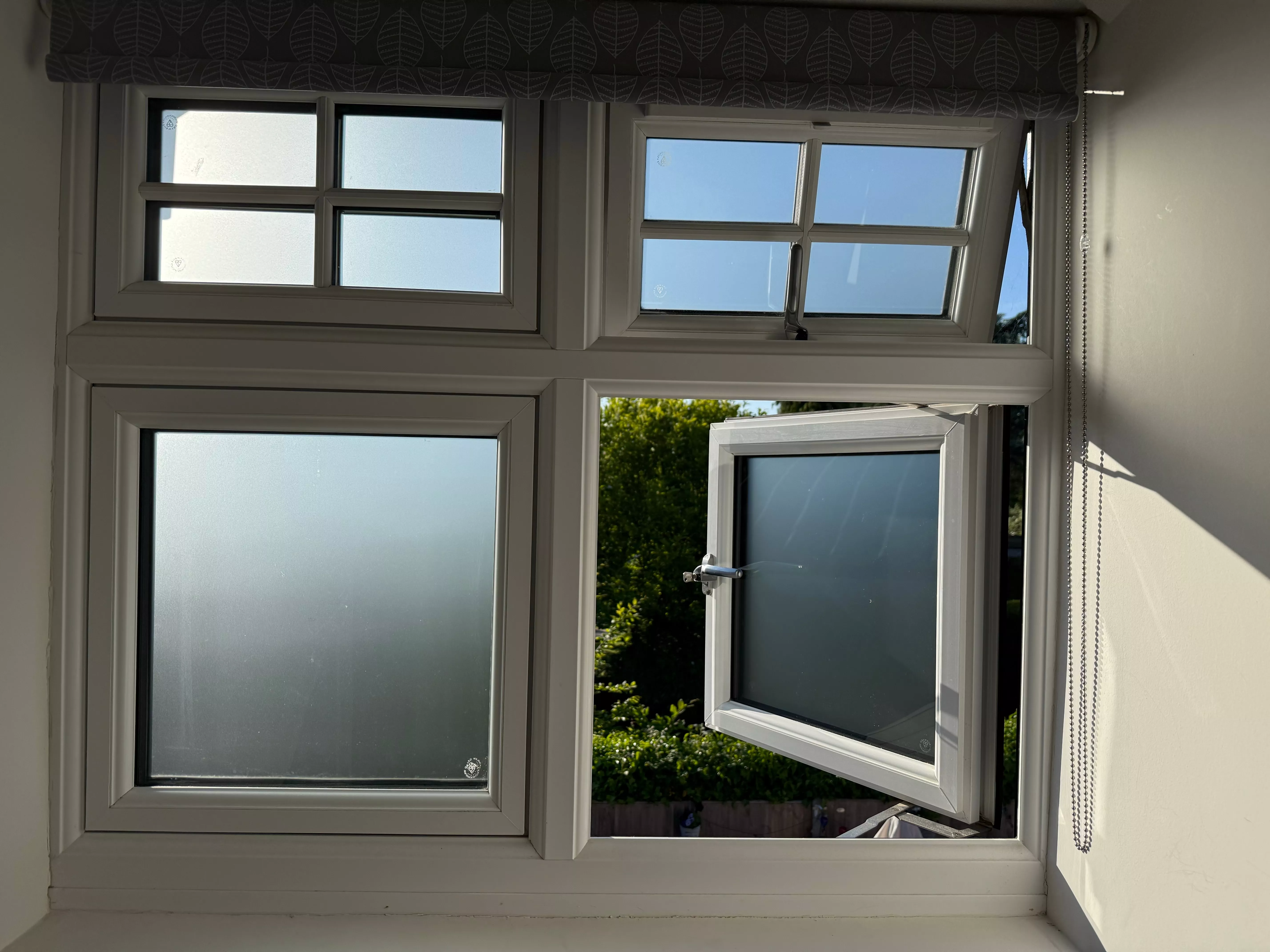
- Casement Windows: Hinged on one side (like a door), they swing outward via a crank. They seal tightly when closed, offering a modern look and unobstructed views.
- Double Hung Windows: Two sashes that slide vertically within the frame, allowing both top and bottom sections to open. They’re a classic choice, common in traditional homes.
Why it matters: Your choice affects everything from airflow to cleaning ease. A friend chose casements for her modern loft and loved the sleek vibe, but her neighbor’s colonial home screamed for double hungs. Let’s explore which fits your needs.
Key Differences: Casement vs Double Hung
1. Operation and Ventilation
- Casement: Crank-operated, opens fully outward (100% ventilation). Great for catching breezes, as the open sash acts like a scoop.
- Double Hung: Slide up/down; only half the window opens (50% ventilation). Tilt-in sashes allow cleaning from inside.
- Winner: Casement for max airflow; double hung for easy cleaning.
Example: In my windy coastal town, casements funnel breezes beautifully, but double hungs were easier for my elderly neighbor to clean without a ladder.
2. Aesthetic and Style
- Casement: Sleek, modern, with larger glass areas for unobstructed views. Ideal for contemporary or minimalist homes.
- Double Hung: Classic, versatile, suits traditional, colonial, or craftsman styles. Grilles add a historic charm.
- Winner: Depends on your home—casement for modern, double hung for traditional.
Tip: Check your neighborhood’s vibe. A friend’s casements looked out of place in her historic district—double hungs would’ve blended better.
3. Energy Efficiency
- Casement: Tight seal when closed (like a refrigerator door), reducing air leaks. Often scores higher in U-factor (insulation) ratings.
- Double Hung: Good efficiency with modern seals, but multiple moving parts can allow slight leaks over time.
- Winner: Casement, especially in extreme climates.
Data point: Casements can improve energy efficiency by 10-15% over older double hungs, saving $100-200/year on bills.
4. Maintenance and Cleaning
- Casement: Exterior cleaning requires outdoor access or long tools. Cranks may need occasional lubrication.
- Double Hung: Tilt-in sashes make cleaning both sides a breeze from indoors. Tracks need periodic vacuuming.
- Winner: Double hung for cleaning ease.
Story: My cousin regretted casements on her second-story windows—cleaning meant hiring pros ($200/year). Double hungs would’ve saved her time.
5. Security
- Casement: Locks tightly with multi-point systems; hard to pry open when closed.
- Double Hung: Single or double locks; older models easier to jimmy if not upgraded.
- Winner: Casement for tighter security.
Pro tip: Upgrade double hungs with sash locks for comparable security.
| Feature | Casement | Double Hung |
|---|---|---|
| Ventilation | 100% open | 50% open |
| Style | Modern | Traditional |
| Energy Efficiency | Superior seal | Good, but less tight |
| Cleaning | Exterior access needed | Tilt-in, easy |
| Security | Multi-point locks | Standard locks |
| Cost (per window) | $400-$1,000 | $300-$900 |
Cost Comparison: Casement vs Double Hung
2025 Pricing (installed, standard 3x4 ft window):
- Casement: $400-$1,000
- Double Hung: $300-$900
- Factors: Material (vinyl, wood, aluminum), glass type (double/triple-pane), and labor ($100-$200/window).
Hidden costs:
- Casement: Crank repairs ($50-$150 every 5-10 years).
- Double Hung: Track cleaning or sash cord replacement ($100-$200).
Budget hack: Vinyl casements or double hungs save 20-30% over wood or fiberglass. My friend saved $1,500 by choosing vinyl double hungs for her ranch home.
Pros and Cons: A Side-by-Side Look
Casement Windows
Pros:
- Maximum ventilation (full opening).
- Tight seal for energy efficiency.
- Modern, clean look with large glass.
- Strong security with multi-point locks.
Cons:
- Harder to clean exterior without access.
- Cranks can wear out.
- Not ideal for traditional homes.
- Slightly pricier.
Double Hung Windows
Pros:
- Easy to clean with tilt-in sashes.
- Classic style fits most homes.
- More affordable upfront.
- Flexible ventilation (top or bottom).
Cons:
- Limited airflow (half opens).
- Slightly less energy-efficient.
- Tracks can collect debris.
- Older models less secure.
When to Choose Casement Windows
- Modern homes: Sleek lines match contemporary designs.
- Windy areas: Scoop breezes for natural cooling.
- Energy priority: Tight seals save on bills in hot/cold climates.
- Large windows: Full glass maximizes views.
Example: A colleague installed casements in her mountain cabin—airflow cooled the house naturally, cutting AC costs by 25%.
When to Choose Double Hung Windows
- Traditional homes: Complements colonial, craftsman, or Victorian styles.
- Multi-story homes: Tilt-in sashes simplify cleaning.
- Budget-conscious: Lower cost for similar quality.
- Small spaces: Partial opening suits tight layouts.
Story: My neighbor picked double hungs for her historic home. The grilles matched the architecture, and cleaning was a breeze—no ladders needed.
Practical Considerations for Your Decision
1. Home Style and Architecture
- Check your home’s era and neighborhood vibe. Casements can look jarring in a colonial; double hungs feel dated in a sleek loft.
- Tip: Mock up both styles with online visualizers (e.g., Pella’s design tool).
2. Climate and Location
- Cold/windy: Casements for tight seals.
- Mild/stable: Double hungs work well.
- Coastal: Choose corrosion-resistant materials (vinyl, fiberglass).
3. Window Placement
- High walls: Casements need crank access; double hungs need sash reach.
- Obstructions: Casements swing outward—avoid near walkways or shrubs.
4. Maintenance Commitment
- Low-maintenance: Double hungs with vinyl frames.
- Willing to maintain: Casements with occasional crank oiling.
5. Resale Value
- Both boost curb appeal, but matching your home’s style maximizes ROI (70-80% recouped).
- Hack: Neutral frame colors (white, black) appeal to more buyers.
Installation and Maintenance Tips
Installation
- Hire pros: Ensures proper sealing ($100-$200/window).
- Check framing: Reinforce for large casements (add $200-$500).
- Timeline: 1-2 days for 5-10 windows.
Maintenance
- Casement: Lubricate cranks annually (silicone spray, $5); clean tracks with a brush.
- Double Hung: Vacuum tracks monthly; check sash cords every 5 years.
- Glass: Clean with vinegar-water mix to avoid streaks.
Pro move: Add weatherstripping ($10/window) to boost efficiency on either type.
Common Mistakes to Avoid
- Ignoring style: Mismatched windows lower curb appeal.
- Skipping energy ratings: Look for ENERGY STAR certification (U-factor <0.30).
- Overlooking access: Casements near patios can hit furniture.
- DIY disasters: Improper installs lead to leaks ($1,000+ to fix).
Lesson learned: A friend installed casements without checking swing clearance—hit her deck railing. Always test the swing path.
Real-World Success Stories
- The Modern Loft: Sarah chose casements for her urban condo. The full ventilation cooled her space naturally, and the sleek look wowed guests.
- The Colonial Fixer-Upper: Mike picked double hungs for his 1920s home. Tilt-in cleaning saved hours, and the classic grilles boosted resale value by 5%.
- My Renovation: I went with casements for my open-plan kitchen. The airflow and views were unbeatable, though I budgeted for pro cleaning.
Final Tips to Make Your Choice
- Test samples: Visit showrooms to crank casements and slide double hungs.
- Check energy ratings: Aim for low U-factor and SHGC for efficiency.
- Get 3 quotes: Compare material, labor, and warranties.
- Consider mixed use: Casements for living areas, double hungs for bedrooms.
- Plan for cleaning: Factor in access for maintenance.
Mastering casement vs double hung windows means balancing style, function, and budget. Casements excel for ventilation and modern looks; double hungs win for ease and tradition. Your perfect pick depends on your home’s needs and your vision.
Share this guide with your remodel crew or bookmark it for your window shopping. Questions on brands, installation, or energy savings? Drop them below—I’ve compared enough windows to help you decide!